HPCL assures steady LPG supply, urges consumers to avoid panic booking
/ 2 min read
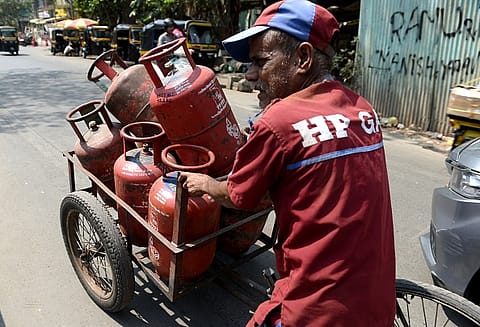
HPCL said it has conducted over 3,650 inspections, taking action against 31 distributors, including the suspension of 12 distributorships. | Credits: Getty Images
HPCL assures steady LPG supply, urges consumers to avoid panic booking
HPCL has assured consumers that domestic LPG supplies remain stable and adequate despite geopolitical tensions, with over 15.2 lakh cylinders dispatched daily. The company urged customers to avoid panic booking or stockpiling and to rely on official communication. It highlighted that 93% of refill bookings are already made through digital platforms and stressed uninterrupted fuel availability nationwide.
This summary is AI-generated, and Fortune India is not responsible for its content or any associated copyright issues.
The company said LPG distribution continues to receive the highest operational priority, with over 15.2 lakh cylinders being dispatched daily—consistent with normal supply levels.
THIS STORY FEATURES
HPCL said it has conducted over 3,650 inspections, taking action against 31 distributors, including the suspension of 12 distributorships. | Credits: Getty Images
Hindustan Petroleum Corporation Ltd. (HPCL) on Saturday said domestic LPG supplies remain stable and adequate, despite ongoing geopolitical developments, and are being closely monitored to ensure uninterrupted availability.
The company said LPG distribution continues to receive the highest operational priority, with over 15.2 lakh cylinders being dispatched daily—consistent with normal supply levels. It also urged customers to use digital platforms such as IVRS, SMS, missed call, HP PAY, and WhatsApp for refill bookings, noting that nearly 93% of bookings are already being made through these channels.
Stable fuel supply across retail network
HPCL said it maintained stable fuel supply across its retail network, dispensing 36,188 kilolitres (over 3.6 crore litres) of petrol and 67,339 kilolitres (over 6.7 crore litres) of diesel on April 3.
To ensure safe delivery, the company said LPG supplies are being authenticated through DAC/OTP-based systems. It added that customer support remains active through social media, web portals and its toll-free helpline.
Stepping up enforcement against malpractices, HPCL said it has conducted over 3,650 inspections, taking action against 31 distributors, including the suspension of 12 distributorships. In coordination with other oil marketing companies and state governments, around 653 raids have been carried out, 40 FIRs registered and more than 3,163 cylinders seized.
Reiterating that there are no anticipated shortages, HPCL advised consumers to avoid panic booking, unnecessary queuing or stockpiling, and to rely only on official communication.
Measures to ensure uninterrupted availability of products, cooking gas: Govt
Meanwhile, the Ministry of Petroleum and Natural Gas said it is taking proactive measures to ensure uninterrupted availability of petroleum products and cooking gas while urging consumers to conserve energy and avoid misinformation.
The government has prioritised LPG and piped natural gas (PNG) supplies for households, hospitals and essential services, while also taking steps to boost refinery output and manage demand, including extending LPG refill intervals.
Follow Fortune India
NEXT STORY