The FAQs are AI-generated, and Fortune India is not responsible for its content or any associated copyright issues.
India needs ₹80 lakh crore in urban infrastructure investment by 2037: Brickwork Ratings
/ 2 min read
The report said urban centres are expected to contribute close to 70% of India’s GDP by 2036, making sustainable and scalable urban financing critical for the country’s long-term growth trajectory.
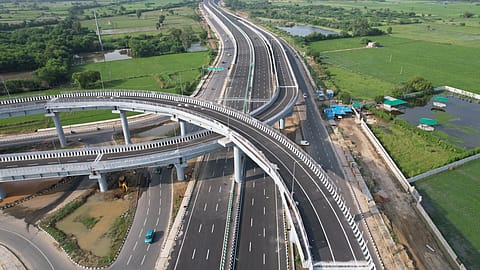
Under the proposed structure, urban local bodies will have to raise at least 50% of project funding through municipal bonds, bank loans, or PPPs before becoming eligible for central assistance. | Credits: PM Modi's X handle
India will require nearly ₹80 lakh crore in urban infrastructure investment by 2037 to support rapid urbanisation and economic expansion, according to a report by Brickwork Ratings titled 'From Grants to Markets: How Urban Challenge Fund (UCF) Will Reshape Urban Finance in India'.
The report said urban centres are expected to contribute close to 70% of India’s GDP by 2036, making sustainable and scalable urban financing critical for the country’s long-term growth trajectory.
Urban financing model
The report highlighted that the Urban Challenge Fund (UCF), a ₹1 lakh crore central government-sponsored scheme, marks a significant shift in India’s urban financing architecture. Unlike earlier grant-led models, the UCF is structured as a market-oriented framework aimed at mobilising nearly ₹4 trillion in urban investments over the next five years.
Under the proposed structure, urban local bodies (ULBs) will have to raise at least 50% of project funding through municipal bonds, bank loans, or public-private partnerships (PPPs) before becoming eligible for central assistance.
The Centre will contribute 25% of project costs, while the remaining amount will be funded by states and/or ULBs.
According to the report, the framework is expected to improve financial discipline, transparency, and creditworthiness among urban local bodies. However, Brickwork Ratings also cautioned about significant execution and implementation risks.
Credit ratings to become critical for ULBs
The report underscored that credit ratings would become a key requirement for ULBs seeking access to market-based financing.
While bank borrowing does not necessarily require formal ratings, the agency noted that excessive dependence on institutional lending keeps cities reliant on state guarantees and limits funding diversification.
With the UCF mandating at least 50% market financing, credit ratings are expected to become “non-negotiable,” especially for Tier-II and Tier-III cities aiming to build long-term financial resilience.
Municipal bond market seen as key opportunity
“The UCF could significantly deepen India’s municipal finance ecosystem, particularly by expanding participation in the municipal bond market. Since FY18, only 17 cities have issued municipal bonds, amounting to ₹45.4 billion, highlighting the large untapped financing opportunity in the sector,” said Manu Sehgal.
The report also noted a marked improvement in investor confidence in municipal bonds, reflected in the narrowing of yield spreads from around 480 basis points in FY20 to nearly 155 basis points in FY26 against the RBI repo rate, indicating a substantial decline in perceived risk premium.
RANK
COMPANY NAME
REVENUE
(INR CR)
(INR CR)
{{#current-rank}} {{current-rank}} {{/current-rank}} {{^current-rank}} {{rank}} {{/current-rank}} {{name}} {{#revenue}} {{revenue}} {{/revenue}} {{^revenue}} {{noi}} {{/revenue}}
According to Brickwork Ratings, strong growth potential exists among Tier-II and Tier-III cities, particularly the 4,223 smaller ULBs and urban centres in the North-East that currently have limited or no access to market debt.
“The UCF’s ₹5,000 crore Credit Repayment Guarantee Scheme is expected to improve investor confidence by providing guarantees for first-time loans to smaller ULBs, thereby broadening the investable universe for lenders and investors,” Sehgal added.
Frequently Asked Questions
NEXT STORY