The FAQs are AI-generated, and Fortune India is not responsible for its content or any associated copyright issues.
India to keep buying Russian oil regardless of US sanctions waivers, says official
/ 2 min read
A temporary US sanctions waiver allowing the sale and delivery of Russian seaborne crude expired on May 16, marking the second time Washington has allowed the relief measure to lapse without clarity on an extension.
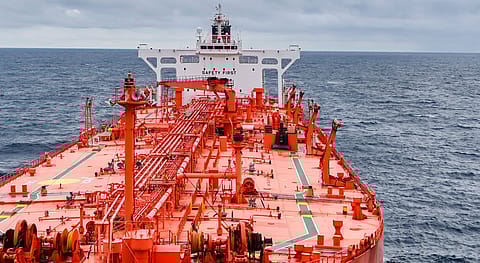
India sharply increased purchases of Russian oil to take advantage of lower prices, helping domestic refiners manage elevated global energy costs.
India has been purchasing Russian oil irrespective of US sanctions waivers and will continue to do so based on commercial viability and energy security needs, a senior petroleum ministry official said on Monday.
"Regarding the American waiver on Russia, I would like to emphasise that we have been purchasing from Russia earlier... before waiver also, during waiver also, and now also," Sujata Sharma, joint secretary in the petroleum ministry, told reporters at a media briefing.
Sharma said India's crude sourcing decisions were driven primarily by commercial considerations and adequate supply availability.
"It is basically the commercial sense which should be there for us to purchase," she said, adding that there was no shortage of crude supplies and enough volumes had been tied up through long-term arrangements.
A temporary US sanctions waiver allowing the sale and delivery of Russian seaborne crude expired on May 16, marking the second time Washington has allowed the relief measure to lapse without clarity on an extension.
The general licence, first issued by the US Treasury Department in mid-March and extended in April, was meant to ease pressure in global energy markets after the US-Israeli war against Iran triggered the largest-ever oil supply disruption.
"Whatever waiver or no waiver, it (availability) will not affect," Sharma said.
Discounted Russian crude had risen to become the core of India's oil import basket since 2022, when Moscow's invasion of Ukraine triggered sweeping western sanctions and disrupted Russia's traditional export markets.
India, the world's third-largest crude importer and consumer, sharply increased purchases of Russian oil to take advantage of lower prices, helping domestic refiners manage elevated global energy costs.
US and European countries slapped sweeping sanctions on Russia for its February 2022 invasion but Russian oil itself was never sanctioned.
In recent months, US sanctioned certain Russian entities, including its largest crude oil suppliers -- Rosneft and Lukoil -- vessels and financial channels. Even then Russian remained off the sanctions list. This meant Russia continued to be a core supplier for India with procurement strictly ensuring no involvement of sanctioned sellers or intermediaries, use of non-sanctioned vessels, and fully compliant financial, insurance, and trading channels.
RANK
COMPANY NAME
REVENUE
(INR CR)
(INR CR)
{{#current-rank}} {{current-rank}} {{/current-rank}} {{^current-rank}} {{rank}} {{/current-rank}} {{name}} {{#revenue}} {{revenue}} {{/revenue}} {{^revenue}} {{noi}} {{/revenue}}
This led to a brief moderation in purchases last year but the waivers led to Indian refiners stepping up purchases again.
Russian oil imports into India are expected to average close to 1.9 million barrels per day in May, according to data from Kpler, near record levels. The figures include shipments covered under a temporary US sanctions waiver that has since expired over the weekend.
The continued flow of Russian crude comes even as Brent prices remain more than 50 per cent above pre-war levels, reinforcing India's push to secure cheaper supplies amid global market volatility.
Analysts said India is unlikely to move away from Russian crude in the near term. More documentation and tighter screening are expected rather than a structural shift in sourcing.
Frequently Asked Questions
NEXT STORY