The FAQs are AI-generated, and Fortune India is not responsible for its content or any associated copyright issues.
OMC losses in Q1 may wipe out the entire fiscal-year profit
/ 3 min read
Despite a 50% surge in input crude oil prices, petrol and diesel continue to be priced at a two-year-old rate of ₹94.77 a litre and ₹87.67 per litre respectively. Domestic cooking gas LPG prices were raised in March by ₹60 per cylinder, but they are still way lower than the actual cost.
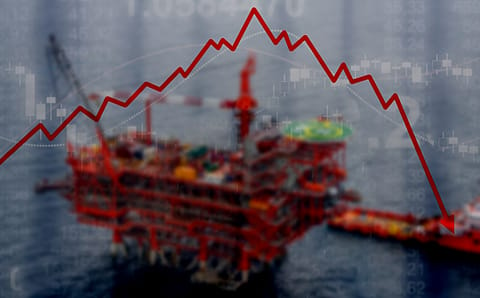
The oil companies are currently losing ₹14 per litre on petrol, ₹42 a litre on diesel and ₹674 a litre on cooking gas LPG. | Credits: Fortune India
India's state-run fuel retailers are staring at first-quarter losses large enough to wipe out profitability for the full fiscal year, as soaring crude prices and a government-led freeze on pump prices squeeze marketing margins, according to a top government source.
Since the war broke out in the Middle East 10 weeks ago, state-owned oil marketing companies (OMCs) have ensured uninterrupted supplies of petrol, diesel and cooking gas LPG at rates that are way below cost, unlike many global energy systems that imposed rationing or passed through steep price increases.
This has resulted in the three OMCs - Indian Oil Corporation (IOC), Bharat Petroleum Corporation Ltd (BPCL) and Hindustan Petroleum Corporation Ltd (HPCL) - running record high under-recoveries (the difference between cost and retail selling price), the source, who wished not to be named, said.
The combined under-recovery on petrol, diesel and cooking gas LPG is ₹1,000 crore to ₹1,200 crore daily, he said.
Despite a 50% surge in input crude oil prices, petrol and diesel continue to be priced at a two-year-old rate of ₹94.77 a litre and ₹87.67 per litre respectively. Domestic cooking gas LPG prices were raised in March by ₹60 per cylinder, but they are still way lower than the actual cost.
"At current oil prices, the losses in the current quarter (April-June) will wipe out the company's entire year's profit of about ₹76,000 crore," he said, adding that after considering losses in March - the first month of the crisis - the cumulative losses come to about ₹1 lakh crore.
The oil companies are currently losing ₹14 per litre on petrol, ₹42 a litre on diesel and ₹674 a litre on cooking gas LPG.
Commenting on rising losses faced by oil marketing companies, Prashant Vashisht, Senior Vice President & Co-Group Head, Corporate Ratings, ICRA Ltd, said, "The oil marketing companies are incurring substantial losses on the sale of auto fuels and domestic LPG owing to high international crude oil and product prices.
"ICRA estimates that at crude prices of USD 120-125 per barrel, and considering the past 10-year average crack spreads for auto fuels, oil marketing companies incur losses of around ₹1,000 crore per day on the sale of auto fuels and domestic LPG. This level of losses is unsustainable and would need to be addressed if elevated crude oil and product prices persist over an extended period."
The revenues that OMCs earn from selling fuel are the only source that is used by them to buy crude oil (raw material), build infrastructure to process it into fuel and lay a network to take the product to consumers.
For 10 weeks, the OMCs have managed to insulate the Indian market but now the cost is visible, the source said, adding they may have to borrow more to meet the working capital requirement (buying of crude oil).
RANK
COMPANY NAME
REVENUE
(INR CR)
(INR CR)
{{#current-rank}} {{current-rank}} {{/current-rank}} {{^current-rank}} {{rank}} {{/current-rank}} {{name}} {{#revenue}} {{revenue}} {{/revenue}} {{^revenue}} {{noi}} {{/revenue}}
"If elevated crude prices persist for an extended period, OMCs may require higher working capital borrowings and calibrated reprioritisation of some capex timelines," he said. "However, strategic investments in refining expansion, energy security infrastructure, ethanol blending, biofuels, and transition fuels continue to remain national priorities and are expected to proceed with Government support."
While countries from Japan to the United Kingdom have raised petrol and diesel prices by up to 30% since the start of the West Asia conflict, fuel prices in India continue at two-year-old levels.
This despite the war disrupting India's import of 40% of crude oil (raw material for making petrol and diesel), 90% cooking gas LPG and 65% natural gas (used to generate electricity, make fertiliser, turned into CNG and piped to household kitchens for cooking).
While the three OMCs have worked overtime to keep the supply lines running even when demand spiked due to panic buying, the government intervention included excise duty reductions to absorb part of the fuel cost burden. The special additional excise duty on petrol was cut to ₹3 per litre from ₹13, while excise duty on diesel was reduced to zero from ₹10 per litre.
The government has taken a hit of ₹14,000 crore a month in cutting the excise duty, the source said.
(Except for the headline, Fortune India has not edited the content of this PTI report.)
Frequently Asked Questions
NEXT STORY