Policy space may persist for emerging markets on 25 bps cut by Fed in Dec, followed by 50 bps cut in H2 FY26: S&P Global
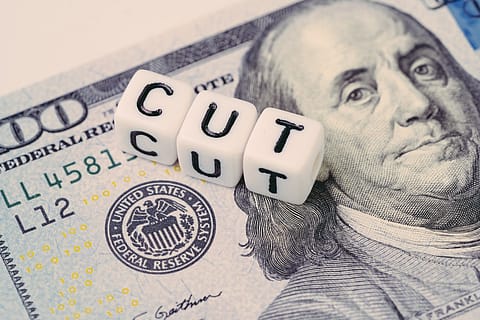
Policy space may persist for emerging markets on 25 bps cut by Fed in Dec, followed by 50 bps cut in H2 FY26: S&P Global
Emerging markets, including India, may retain monetary policy flexibility as the US Federal Reserve plans a 25-bps rate cut in December and a 50-bps reduction in 2026, according to S&P Global. This shift is expected to support India's policy space, with inflation below target and growth moderating, allowing the RBI to focus on economic expansion.
S&P Global notes that high US tariffs, the lack of a trade deal with India, and slowing government investments could hinder domestic growth
Emerging markets, including India, could maintain monetary policy flexibility through the next year as the US Federal Reserve is expected to start easing with a 25-basis-point cut in December, followed by another 50-bps reduction in the second half of 2026, according to the S&P Global report. The document states this expected shift in US rates should support the monetary policy space of emerging markets like India, especially as domestic inflation remains well below target and growth shows signs of moderating.
The report states that the Reserve Bank of India’s Monetary Policy Committee has already utilised this policy space, reducing the repo rate by 25 basis points in December after inflation declined sharply.
According to the report, inflation has been below the RBI’s 2-6% target at 1.9% from April to October, giving the central bank room to focus on growth amid weakening high-frequency indicators. It adds that the MPC expects GDP growth to slow from 8% in the first half of the fiscal year to 6.8% in the second half, reducing the risk of demand-driven price pressures.
S&P Global also emphasises that India’s inflation path will continue to support policy flexibility, with the report estimating CPI inflation at 2.5% this fiscal year before rising to 5% next year due to base effects. It mentions that lower crude oil prices — expected at $60 per barrel in 2026 — and global spare capacity will help limit inflation. “Excess supply chain capacity globally, particularly in China, also indicates limited upward pressure on goods inflation,” the report states, reaffirming its view that the RBI will have space to act if growth slows more than anticipated.
However, the report warns that global uncertainties could keep policymakers vigilant. S&P Global notes that high US tariffs, the lack of a trade deal with India, and slowing government investments could hinder domestic growth, even as consumption and private investment gradually pick up in the next fiscal year. It concludes that “policy space is expected to persist going ahead, but global uncertainties may warrant the MPC to keep a data-dependent approach.”
"In a nutshell, policy space is expected to persist going ahead, but global uncertainties may warrant the MPC to keep a data-dependent approach," per the report.