The FAQs are AI-generated, and Fortune India is not responsible for its content or any associated copyright issues.
RBI bars lenders from disabling mobile phones of defaulting borrowers
/ 3 min read
The bank may, however, resort to such restriction or disablement of the functionalities of a mobile device, provided the "acquisition of the concerned mobile device is financed by the bank through a loan".
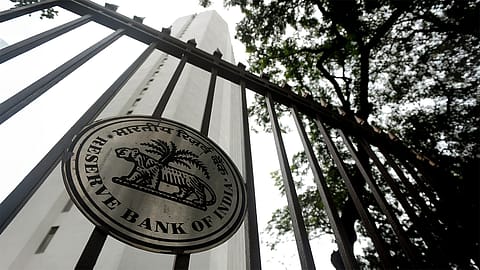
In this case also, a bank cannot deploy the mechanism to block the device until the associated loan has become 90 days past due and the borrower has not cured the default despite being served notices. | Credits: Getty Images
The Reserve Bank on Wednesday proposed that banks cannot disable or restrict the mobile phones of defaulting borrowers to recover personal, car, or home loans, as part of efforts to curb aggressive recovery practices.
However, a bank will be allowed to restrict or disable functionalities of a defaulting borrower's mobile device, provided the device is financed by the lender.
The central bank has proposed strict norms on conduct-related matters in the recovery of loan dues and engagement of recovery agencies amid complaints of borrowers being harassed, including through social media platforms and the use of abusive language.
"A bank shall not deploy any technology-based mechanism, which restricts or disables any of the functionalities of a mobile device of a borrower, such as mobile phone, tablet, as a recovery tool, except to recover its loan dues arising out from financing of such a device," the RBI proposed.
The bank may, however, resort to such restriction or disablement of the functionalities of a mobile device, provided the "acquisition of the concerned mobile device is financed by the bank through a loan".
In this case also, a bank cannot deploy the mechanism to block the device until the associated loan has become 90 days past due and the borrower has not cured the default despite being served notices.
Further, a bank, deploying any technology-based blocking mechanism, cannot restrict or disable certain essential functionalities, such as access to the internet, incoming calls, emergency SOS features, and receipt of emergency government or public-safety notifications.
It also said the bank should ensure that the restrictions on device functionalities are reversed expeditiously, in any case, within one hour of the borrower curing the default. In cases involving wrongful restriction or delay in reversal, the lender will have to compensate the borrower at the rate of ₹250 per hour till the wrongful action is remedied.
The revised draft amendment directions on ‘Conduct of Regulated Entities in Recovery of Loans and Engagement of Recovery Agents’ also said a bank should document the time and number of calls made by its employee/ recovery agent to the borrower/ guarantor for recovery of loan dues.
"Further, the bank shall ensure that there is a recording of the content/text of the calls made by the employee/recovery agent to the borrower/guarantor and the calls made by the borrower/guarantor to the telephone / mobile number conveyed by the bank," the draft said.
The central bank proposes to implement the norms from October 1, 2026.
RANK
COMPANY NAME
REVENUE
(INR CR)
(INR CR)
{{#current-rank}} {{current-rank}} {{/current-rank}} {{^current-rank}} {{rank}} {{/current-rank}} {{name}} {{#revenue}} {{revenue}} {{/revenue}} {{^revenue}} {{noi}} {{/revenue}}
The draft also emphasised that a bank’s employee/recovery agent should not engage in any harsh methods towards collection/recovery.
Harsh methods include 'use of minatory or abusive language', 'use of social media for posting video / audio recordings or personal details of the borrower/guarantor', 'sending inappropriate messages either on mobile or through social media', and 'excessively calling/messaging the borrower/guarantor'.
The RBI also said a bank should put in place a policy on collection/ recovery of loan dues, including taking possession of a security, by its own employee or a recovery agent.
The policy should cover procedures to be followed / penal actions to be taken in case of non-compliant recovery agencies or their agents.
In February, the Reserve Bank issued the draft Amendment Directions on 'Conduct of Regulated Entities in Recovery of Loans and Engagement of Recovery Agents' for public comments.
The central bank said it has received substantial feedback from stakeholders on the draft Amendment Directions, which has led to changes in many key provisions of the draft, as it issues the revised proposal. Stakeholders can provide their comments on the revised directions till May 31.
Separate draft directions have been issued for small finance banks, regional rural banks, cooperative banks, non-banking financial companies, and housing finance companies.
The Reserve Bank had issued the draft Amendment Directions on 'Conduct of Regulated Entities in Recovery of Loans and Engagement of Recovery Agents' for public comments in February.
Feedback has also been submitted by stakeholders regarding regulatory enablement to the lenders to deploy technology-based mechanisms, which restrict or disable some of the functionalities of a financed mobile device, such as a mobile phone, tablet, etc., to recover loan dues from the borrower in cases of default.
(Except for the headline, Fortune India has not edited the content of this PTI report.)
Frequently Asked Questions
NEXT STORY