Reopening of Hormuz may ease margin pressure on India Inc; impact now seen limited at 100 bps: Crisil
/ 3 min read
Energy markets have already responded positively, with crude oil prices correcting sharply after the easing of tensions.
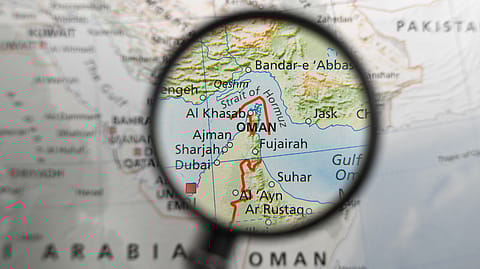
Although shipping traffic through the Strait of Hormuz remains below pre-conflict levels, Crisil said a stable truce could materially soften the impact on corporate profitability. | Credits: Shutterstock
The reopening of the Strait of Hormuz following the US–Iran memorandum of understanding (MoU), if sustained, may significantly reduce profitability pressures on India Inc this fiscal compared with earlier expectations of a prolonged disruption, according to a report by Crisil Ratings.
Energy markets have already responded positively, with crude oil prices correcting sharply after the easing of tensions. However, Crisil cautioned that normalisation in the supply of critical inputs such as natural gas and urea is likely to be gradual as structural supply disruptions created during the conflict continue to unwind.
Although shipping traffic through the Strait remains below pre-conflict levels, Crisil said a stable truce could materially soften the impact on corporate profitability.
The ratings agency assessed 34 sectors representing around 65% of rated corporate debt and now expects operating margins to decline by only 100 basis points to around 11% this fiscal, compared with an earlier estimate of nearly 12% before the conflict. Under its previous stress scenario, which assumed a prolonged conflict and closure of the Strait, the margin hit was estimated at 200 basis points.
Subodh Rai, Managing Director, Crisil Ratings, said the recent correction in crude oil prices and the expected easing in gas supplies should reduce cost pressures across sectors.
According to Rai, if the armistice holds, nearly two-thirds of the 34 sectors analysed are likely to face limited disruption, with margin recovery in the second half offsetting pressure seen in the first half. However, he cautioned that escalation risks remain and companies are expected to continue focusing on supply-chain diversification.
Crisil’s base case assumes Brent crude prices will average $80–85 per barrel this fiscal, while gas supply disruptions are expected to persist for around four months before normalising. Reopening of the Strait is also expected to gradually reduce India’s dependence on expensive spot gas purchases.
24 of 34 sectors are likely to see minimal impact
The report noted that 24 of the 34 sectors are expected to see minimal impact on both revenue and profitability, with recovery concentrated in the second half of the fiscal year.
The remaining 10 sectors are projected to experience a more meaningful squeeze, with operating margins declining by one-tenth to one-third from pre-conflict estimates.
Among these sectors, airlines are expected to face sustained pressure as first-half margin compression may not fully reverse because of currency movements, capacity rationalisation and limited pricing power.
Ceramics manufacturers are also likely to remain under pressure due to elevated fuel costs, constrained gas availability and lower capacity utilisation, with only gradual recovery expected. Other vulnerable segments include commodity-linked industries such as flexible packaging, specialty chemicals and polyester textiles, where higher input costs and limited pass-through ability could affect profitability. Diamond polishing may also witness slower recovery because of persistent demand disruptions.
{{#most-powerful-women-snapshot-individual.slug}} {{/most-powerful-women-snapshot-individual.slug}} {{^most-powerful-women-snapshot-individual.slug}} {{/most-powerful-women-snapshot-individual.slug}} {{#showRanking}} {{current-rank}} {{/showRanking}} {{#photo.0.url}}
{{name}}
No sector is now expected to see severe impact
Despite these pressures, Crisil said no sector is currently expected to see a severe impact on either revenue or profitability.
The report highlighted that the latest outlook marks a sharp improvement over the earlier stress scenario, under which as many as 22 sectors would have faced significant margin erosion and around eight sectors could have seen negative or moderately negative credit outlooks.
Policy support is also expected to cushion incremental working capital requirements, especially for vulnerable sectors.
Crisil said that the Emergency Credit Line Guarantee Scheme (ECLGS) 5.0 could support MSMEs through additional credit availability of ₹2.55 lakh crore, including ₹5,000 crore earmarked for airlines. As of June 9, 2026, guarantees worth more than ₹48,000 crore had already been approved.
Among sectors expected to benefit the most from easing energy costs, oil marketing companies (OMCs), and fertiliser manufacturers stand out. Similarly, fertiliser manufacturers are expected to see limited profitability impact due to priority gas allocation and continued subsidy support. The government’s fertiliser subsidy bill is now projected at ₹2.4–2.6 lakh crore this fiscal, around ₹15,000 crore lower than earlier estimates based on prolonged supply disruptions.
At the same time, Crisil flagged two emerging risks to India Inc’s outlook. One is the possibility of El Niño conditions affecting rainfall patterns and weakening rural demand. The second is that the US–Iran understanding remains interim and non-binding, leaving the risk of renewed geopolitical tensions elevated.
Somasekhar Vemuri, Senior Director, Crisil Ratings, said lower crude prices and easing shipping and gas costs provide timely relief to corporate India and could also support the government’s ability to sustain capital expenditure if demand conditions weaken later in the year.
NEXT STORY