Trump unveils 200% tariff plan for generic drug imports; plan to come into effect after two years
/ 2 min read
US President proposes zero tariff on imported generic medicines for two years before duties rise to 100% and later 200% to encourage domestic production.
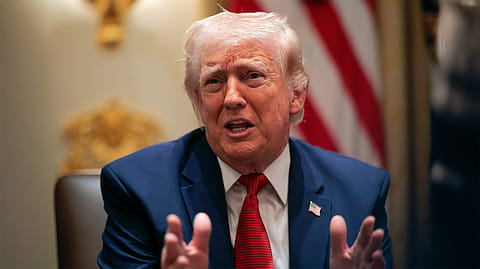
US President Donald Trump | Credits: Getty Images
US President Donald Trump has proposed a phased tariff regime for imported generic medicines, offering a 'two-year zero-duty window' before sharply increasing import levies to encourage pharmaceutical companies to manufacture in the United States. The announcement could have significant implications for India, one of the world's largest suppliers of affordable generic medicines to the US.
The proposal, announced in a Truth Social post, is aimed at reshoring pharmaceutical manufacturing and reducing America's dependence on imported generic drugs. While companies would initially continue to enjoy zero tariffs, the longer-term policy could prompt global drugmakers to rethink manufacturing and investment strategies.
Zero tariffs for two years before steep hike
In his Truth Social post, Trump said, "Effective August 1st, 2026, all Generic Drugs being brought into the United States will continue to have a TARIFF of ZERO PERCENT for a two year period of time, after which the TARIFF will be raised to 100% for a one year period of time, and 200% thereafter."
He added that the move is intended to bring pharmaceutical manufacturing back to the US.
"This is done in order to RESHORE Generic Pharmaceutical Production into America, with a penalty to those Companies that decide not to build Plant and Equipment within the stated period of time given to them," Trump wrote.
Indian drugmakers may need to reassess US strategy
Notably, the United States is the largest overseas market for Indian pharmaceutical companies, with India supplying a substantial share of generic medicines consumed by American patients through USFDA-approved manufacturing facilities.
If the proposed tariff roadmap is implemented after the two-year transition period, exporters could face mounting pressure to establish manufacturing operations in the US to avoid significantly higher import duties. The move has the potential to reshape global pharmaceutical supply chains and alter investment priorities for generic drug manufacturers.
Policy targets domestic manufacturing
Trump said the objective of the proposal is to protect American consumers while expanding domestic pharmaceutical production.
"The objective of this Policy is to protect the people of the United States. The Policy on Patented, Branded, or Innovative Drugs... will remain as is," he said, adding that pharmaceutical manufacturing facilities are already being built across the country.
Notably, the proposal draws a clear distinction between generic medicines and patented or branded drugs, with the latter remaining outside the scope of the proposed tariff changes.
For the India's pharmaceutical sector, however, the announcement signals that long-term access to the US market may increasingly depend on local manufacturing rather than exports alone.
NEXT STORY