Centre doubles 5-kg LPG cylinder allocation for migrant labourers in all states
/ 2 min read
The ministry said the increase will be based on the average daily supply of cylinders distributed between March 2 and March 3
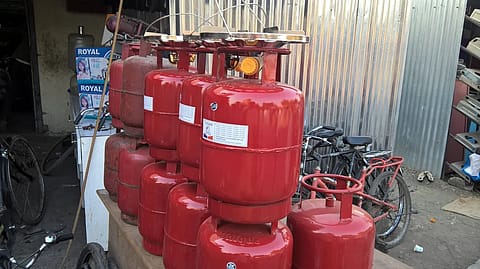
The revised allocation will go beyond the earlier cap of 20% set in a March 21 order.
In an order issued late Monday, the Petroleum Ministry announced that the daily allocation of 5 kg free trade LPG cylinders for distribution to migrant labourers in each state has been doubled.
The ministry said the increase will be based on the average daily supply of cylinders distributed between March 2 and March 3. The revised allocation will go beyond the earlier cap of 20% set in a March 21 order.
“It is conveyed that the daily quantity of 5kg FTL cylinder in each state available for disbursal to migrant labourers is being doubled based on average daily supply (that is, number of cylinders) to migrant labourers during March 2-3 beyond limit of 20% mentioned [in the March 21 order],” read the communication from the Secretary at the Union Petroleum Ministry to states.
Ensuring LPG cylinders for migrant workers
The move aims to strengthen the availability of smaller LPG cylinders, which are mainly used by migrant workers in urban and semi-urban areas. The ministry said these cylinders will be managed by state governments through their food and civil supplies departments and will be supplied only to migrant labourers.
The government also noted that around 6.75 lakh such cylinders have been sold since March 23.
Iran war impacts energy supply across the region
The decision comes at a time when the Israeli and US war against Iran has severely disrupted global energy supplies, particularly in West Asia, which is a key source of oil and gas for countries like India.
The conflict has affected shipments through the Strait of Hormuz, one of the world’s most critical energy routes through which nearly a fifth of global oil and gas trade passes. Furthermore, the attacks on energy infrastructure and risks to tanker movement have sharply reduced supplies and delayed shipments.
India, which depends heavily on imports for its LPG needs, has been particularly affected. Supply bottlenecks and shipping disruptions have led to tighter availability, prompting the government to prioritise domestic distribution, especially for vulnerable groups like migrant workers.
NEXT STORY