Delhi–Dehradun economic corridor to cut travel time, unlock tourism & trade growth across NCR–Uttarakhand belt: NHAI
/ 2 min read
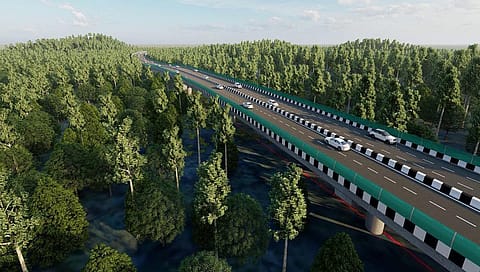
Delhi-Dehradun economic corridor will enhance road connectivity and provide clean drinking water to the people of Uttarakhand | Credits: NHAI's X account
Delhi–Dehradun economic corridor to cut travel time, unlock tourism & trade growth across NCR–Uttarakhand belt: NHAI
The Delhi–Dehradun Economic Corridor, developed by NHAI, is set to sharply cut travel time between NCR and Uttarakhand while decongesting Delhi’s busy stretches. By diverting through-traffic, it aims to reduce pollution, improve safety and logistics, and unlock tourism, trade, and local development along the route, supporting more balanced, sustainable regional growth.
This summary is AI-generated, and Fortune India is not responsible for its content or any associated copyright issues.
New expressway-led corridor aims to ease congestion, boost regional connectivity and catalyse economic activity across North India
Delhi-Dehradun economic corridor will enhance road connectivity and provide clean drinking water to the people of Uttarakhand | Credits: NHAI's X account
The Delhi–Dehradun Economic Corridor is emerging as a key infrastructure project poised to transform connectivity between the National Capital Region (NCR) and Uttarakhand, with significant implications for travel efficiency, regional trade, and tourism-led growth. The corridor, being developed by the National Highways Authority of India (NHAI), is designed to decongest existing urban routes while creating a faster, more sustainable transit alternative.
According to NHAI, the economic corridor will play a pivotal role in diverting through-traffic away from densely populated stretches in and around Delhi, thereby easing chronic congestion and improving overall traffic flow. The move is expected to not only reduce travel time between Delhi and Dehradun but also lower vehicular emissions, aligning with broader sustainability goals.
One of the core objectives of the corridor is to streamline vehicular movement by bypassing high-traffic urban nodes. “The Delhi–Dehradun Economic Corridor is set to redefine travel between the National Capital Region and Uttarakhand by unlocking new opportunities for tourism, trade, and local development across the region. By diverting through-traffic away from congested urban stretches, it will improve mobility, reduce pollution, and support balanced, sustainable growth across the region,” NHAI said in a recent post on X.
The corridor’s design reflects a growing policy emphasis on access-controlled highways that separate local and long-distance traffic. This is increasingly being adopted across India’s highway expansion programme to optimise road capacity, improve safety outcomes, and reduce logistics inefficiencies.
Tourism, Trade to get structural boost
Beyond mobility, the corridor is expected to unlock new economic opportunities across the NCR–Uttarakhand belt, claimed NHAI. Improved connectivity is likely to provide a fillip to tourism, especially weekend and short-duration travel from Delhi to Uttarakhand’s hill destinations.
"The Delhi–Dehradun Economic Corridor is set to dramatically reduce travel time between Delhi and Dehradun, making journeys faster, smoother, and more reliable. By improving access-controlled connectivity, the corridor will enhance links to Haridwar, Rishikesh, and key towns across western Uttar Pradesh and Uttarakhand. This improved connectivity will support daily commuters, tourism, and economic activity across the region, while strengthening seamless movement between the National Capital Region and the Himalayan state," NHAI had earlier tweeted.
It may be recalled that Nitin Gadkari, Ministry of Road Transport and Highways (MoRTH) had earlier stated that enhanced road infrastructure typically correlates with higher tourist inflows, benefiting hospitality, retail, and local service ecosystems.
“Simultaneously, better connectivity is expected to strengthen trade linkages by facilitating smoother movement of goods and services. This could support the development of ancillary industries along the corridor, including warehousing, logistics parks, and roadside commercial hubs, Gadkari had recently said at a press conference.
Follow Fortune India
NEXT STORY