Govt identifies 22 vessels for monitored transit through Strait of Hormuz
/ 2 min read
These priority vessels together carry large volumes of fuel, including about 215,000 metric tonnes of LNG, 321,000 tonnes of LPG, and nearly 1.68 million tonnes of crude oil
Separately, two Indian container ships have also been brought under the evacuation plan to ensure safe navigation through the volatile corridor.
The government has drawn up a list of 22 vessels headed to India that require monitored evacuation and secure transit through the Strait of Hormuz, as tensions in West Asia disrupt key shipping routes. Of these, 20 ships have been marked as crucial for maintaining the country’s energy supplies, according to the media reports.
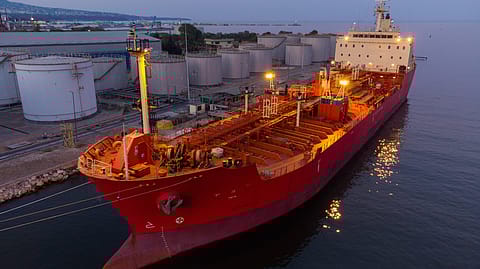
These priority vessels together carry large volumes of fuel, including about 215,000 metric tonnes of LNG, 321,000 tonnes of LPG, and nearly 1.68 million tonnes of crude oil. The fleet includes a mix of Indian-flagged and foreign-flagged ships, all bound for Indian ports.
Of the 20 energy-linked vessels, 10 operate under the Indian flag. The consignment mix comprises three LNG carriers, 10 LPG vessels, and seven crude oil tankers. Ships registered in jurisdictions such as the Marshall Islands, Liberia, Greece, Malta, and Portugal are also part of the convoy.
Separately, two Indian container ships have also been brought under the evacuation plan to ensure safe navigation through the volatile corridor.
According to a report by The Hindu, multiple government agencies are working in coordination to manage the situation, including the Ministry of Ports, Shipping and Waterways, the Directorate of Naval Operations, the Ministry of Petroleum and Natural Gas, and the Information Fusion Centre–Indian Ocean Region. The joint effort is focused on ensuring uninterrupted movement of cargo and safeguarding vessels in the conflict-hit zone.
LPG carriers reach Indian shores
In a positive development, two Indian LPG carriers—Shivalik and Nanda Devi—have successfully completed their passage through the Strait under naval escort, reaching Indian ports on March 16 and 17. Together, they transported close to 92,712 metric tonnes of LPG.
While Shivalik has begun partial discharge operations at Mundra and is preparing for ship-to-ship transfers, Nanda Devi has already positioned itself at Vadinar for similar cargo operations.
Another vessel, Jag Laadki, carrying around 81,000 metric tonnes of Murban crude from the UAE, also reached Mundra safely after being escorted by the Indian Navy. The tanker had a narrow escape after the Fujairah terminal, where it loaded cargo, came under attack.
Seafarers face uncertainty
The crisis has left many Indian seafarers stranded in the region. Estimates suggest nearly 23,000 Indians remain in the Persian Gulf, including 658 on Indian-flagged vessels. Shipping firms have so far managed to evacuate around 472 personnel.
Although no Indian vessel has been directly targeted, incidents involving foreign-flagged ships have led to casualties among Indian crew, with three fatalities, four injuries, and one individual reported missing.
The disruption follows escalating hostilities after US and Israeli strikes on Iran triggered retaliatory actions, effectively choking traffic through the Strait of Hormuz, a vital artery for global energy trade.
Follow Fortune India
NEXT STORY