The FAQs are AI-generated, and Fortune India is not responsible for its content or any associated copyright issues.
Home-cooked veg thali cost rises 5%, non-veg thali up 7% in May on higher tomato, LPG prices: Crisil
/ 2 min read
On a month-on-month basis, both vegetarian and non-vegetarian thali costs increased 3% in May.
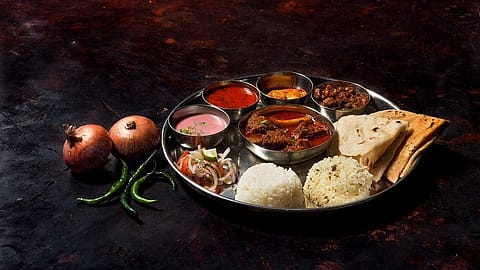
The cost of a non-vegetarian thali rose at a faster pace due to an estimated 9% increase in broiler chicken prices, which account for nearly half of the meal's cost. | Credits: Shutterstock
The cost of preparing home-cooked vegetarian and non-vegetarian thalis increased 5% and 7% year-on-year (YoY), respectively, in May, driven by a sharp rise in tomato prices and higher costs of vegetable oil and liquefied petroleum gas (LPG), according to a report by Crisil Intelligence.
The rise in thali costs came despite a decline in the prices of onions, potatoes, and pulses, which helped partially offset the increase.
Tomato prices surged 57% YoY to ₹36 per kg in May from ₹23 per kg a year ago. The increase was attributed to a 3-4% decline in rabi production in southern states, lower summer crop acreage and heat-related yield losses.
Vegetable oil and LPG prices also rose 8% and 7%, respectively, during the period due to ongoing global supply disruptions.
However, onion prices declined 6% YoY following fresh rabi arrivals while potato prices fell 14% owing to a 2-3% increase in rabi production and the liquidation of cold-storage stocks. Pulse prices eased 2%, supported by duty-free imports of tur, which are allowed until March 2027 and are expected to offset domestic production shortfalls.
The cost of a non-vegetarian thali rose at a faster pace due to an estimated 9% increase in broiler chicken prices, which account for nearly half of the meal's cost. Crisil said intense summer heat led to higher bird mortality rates, tightening supply and pushing up poultry prices.
On a month-on-month basis, both vegetarian and non-vegetarian thali costs increased 3% in May. The rise was led by a 23% jump in tomato prices compared with April while potato and onion prices increased 3 % and 2%, respectively. The non-vegetarian thali cost also rose due to an estimated 2% increase in broiler prices amid lower supply.
According to Pushan Sharma, Director, Crisil Intelligence, food inflation pressures are likely to persist in the coming months. “Tomato prices are expected to remain elevated during June-August as supply tightens due to lower summer sowing amid heat-related concerns in key northern growing states,” Sharma said.
He added that potato prices may edge higher as the rabi harvest season concludes and higher-priced cold-storage stocks enter the market. Onion prices are also expected to rise following an estimated 5% decline in rabi production this year.
Follow Fortune India
Frequently Asked Questions
NEXT STORY