India and Southeast Asia face heightened drought risks as Super El Niño emerges: Study
/ 2 min read
While weather events are often viewed as operational risks, this one is more appropriately understood as a macroeconomic event with implications for inflation, trade flows, supply chains and corporate earnings
Credits: Getty Images
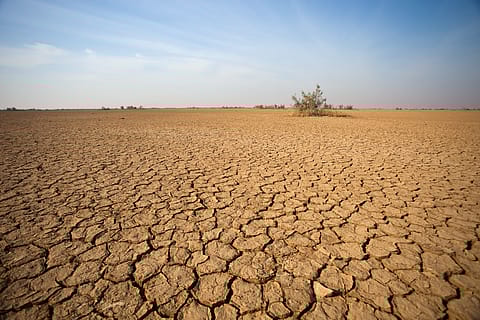
As the 2026-27 El Niño emerges, Southeast Asia, India and parts of West Africa face heightened risks of drought and agricultural disruption, according to an analytical report by Allianz Research, which says the climate challenge “has the potential to become the strongest climate event in more than a decade”.
Referring to IMF estimates, the report said a typical El Niño raises global food prices by around 5% within a year, and the 1982-83 and 1997-98 events led to ₹4.1 trillion and ₹5.7 trillion in cumulative global income losses over the following five years.
“El Niño creates an uneven commodity shock, with the greatest disruption concentrated in commodities produced in Asia, while grains in Latin America, mainly Brazil and Argentina, could see oversupply from improved growing conditions,” the report said.
While weather events are often viewed as operational risks, this one is more appropriately understood as a macroeconomic event with implications for inflation, trade flows, supply chains and corporate earnings, it added.
Interestingly, the El Niño effect may create challenges for many parts of the world, while some geographies may benefit from improved climate conditions.
“At the same time, large parts of South America are likely to benefit from improved growing conditions, supporting grain and oilseed production. The result is a divergence across commodity markets, countries and sectors rather than a broad-based inflationary surge,” it said.
Highest risks are in sugar, palm oil and rice production
However, the study flagged that the highest risks are in sugar, palm oil and rice, where drought, low inventories and potential export restrictions could drive price volatility. Cocoa and robusta coffee also face supply pressures, while soybeans, corn and arabica coffee are likely to face price declines on the back of favourable conditions.
However, for corporations, the implications extend well beyond agriculture. “Food manufacturers may face renewed input-cost pressure from sugar, palm oil, rice and cocoa but could pass on higher prices. Consumer-goods companies operating in emerging markets may encounter renewed inflation sensitivity among lower-income consumers,” it added.
Inflation risk for Asian importers
The report said this climatic challenge would transmit inflationary pressure in Asia primarily through food prices, with Indonesia the most affected and Malaysia and the Philippines the most insulated.
“In Latin America, this picture is mixed, with Colombia, Peru and Brazil facing potential pressures. Central banks in the Philippines, Indonesia and India could be forced to hike further or delay easing into 2027, while Malaysia and Thailand would remain on hold,” the report mentioned.
According to the study, export bans by major agricultural producers like India, Thailand and Vietnam would ease domestic pressures but amplify inflation risks for importers, notably the Philippines and Indonesia.
Follow Fortune India
NEXT STORY