The FAQs are AI-generated, and Fortune India is not responsible for its content or any associated copyright issues.
India can’t afford higher edible oil imports, says SEA backing PM’s appeal
/ 2 min read
SEA urges balanced consumption and higher domestic oilseed output to cut costly import dependence amid climate, geopolitical and freight uncertainties
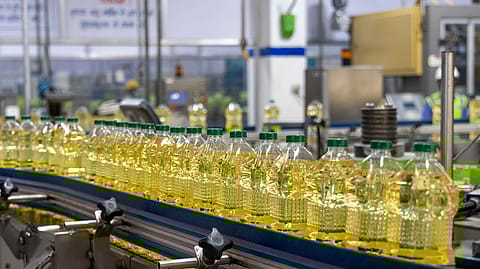
India meets around 60% of its domestic demand for edible oils through imports | Credits: Narendra Bisht
Edible oil industry body SEA welcomed the Prime Minister's appeal to people for using less cooking oils, saying this will help reduce import dependence and save foreign exchange.
Prime Minister Narendra Modi on Sunday called for reducing the consumption of edible oil, lowering the use of chemical fertilisers, promoting natural farming and Swadeshi products to save foreign exchange and make the country self-reliant.
In a statement on Monday, The Solvent Extractors’ Association of India (SEA) said the Prime Minister's appeal on controlling edible oil consumption carries far deeper economic and strategic significance than many may realise.
"With climate uncertainties rising, biodiesel mandates tightening global vegetable oil supplies, and geopolitical tensions adding fresh risks, this is perhaps the right moment for the nation to think long term. Along with boosting domestic oilseed production, balanced consumption habits will play a crucial role in reducing vulnerability," SEA Executive Director BV Mehta said.
India meets around 60% of its domestic demand for edible oils through imports. The country imported 16 million tonnes of edible oils for nearly ₹1.61 lakh crore during the 2024-25 marketing year ended October.
The association pointed out that the West Asia conflict has already impacted freight, energy prices, currency movements, and overall commodity sentiment.
These factors influence edible oil prices and import costs for countries dependent on overseas supplies like India.
Moreover, Mehta said, "At a time when global weather risks like El Niño threaten agricultural production and international edible oil prices remain vulnerable, India cannot afford rising import dependence".
India, which imports close to 60% of its edible oil requirement, places a significant burden (USD 18 Billion last year) on the national exchequer whenever global prices rise, the association said.
"Goes without saying that any disruption in production across palm, soybean, or sunflower oil-producing nations can quickly translate into imported inflation for a country like India. So, it won't be wrong to have sensible usage today in order to help India avoid sharper price shocks tomorrow. Sometimes, tightening the belt today is wiser than struggling with a crisis tomorrow," Mehta observed.
India imports palm oil from Indonesia and Malaysia, while the country takes soyabean oil from Argentina and Brazil.
Frequently Asked Questions
NEXT STORY