India's private sector growth slows to three-month low in June as demand softens
/ 2 min read
The HSBC Flash India Composite PMI Output Index fell to 57.4 in June from 59.3 in May, its lowest reading in three months
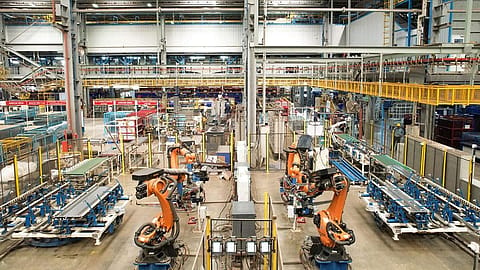
The slowdown was led by weaker demand growth. New business inflows continued to rise across the private sector but at a slower pace than in May | Credits: File Photo
India's private sector growth lost some momentum in June as softer demand conditions weighed on both manufacturing and services activity, while companies turned more cautious on hiring and spending, according to the latest flash PMI data released on Tuesday.
The HSBC Flash India Composite PMI Output Index fell to 57.4 in June from 59.3 in May, its lowest reading in three months. Although the index remained comfortably above the 50 threshold that separates expansion from contraction, the latest reading points to a moderation in the pace of economic activity after a strong run in recent months.
The slowdown was led by weaker demand growth. New business inflows continued to rise across the private sector but at a slower pace than in May, with firms citing competitive pressures and challenges in securing fresh orders.
Services activity saw a sharper cooling than manufacturing. The services business activity index dropped to 57.3 from 59.8 a month earlier, while manufacturing output eased to 57.4 from 58.0. The headline manufacturing PMI also slipped to 54.5, a three-month low.
"Private sector activity eased a bit in June. Growth of manufacturing output softened a tad as inventory-building lost steam after a few hectic months. New export orders remained resilient and the order-to-inventory ratio ticked up, pointing at resilient manufacturing activity down the line. Input costs across the private sector rose, but at the slowest pace in five months," said Pranjul Bhandari, Chief India Economist at HSBC.
The survey showed export demand remained a bright spot, particularly for services companies, which reported stronger growth in international business. Manufacturers, however, recorded their weakest expansion in export orders since March 2023. Overall export growth across the private sector slowed to a 21-month low.
With new orders growing at a slower pace, companies also scaled back recruitment. Employment increased only marginally during the month, marking the weakest pace of job creation since the current expansion cycle began six months ago. Hiring by manufacturers and service providers was the slowest since December last year.
On the inflation front, businesses reported another increase in input costs, driven by higher prices of chemicals, food products, fuel, gas and metals. However, the pace of cost inflation eased for a third consecutive month and was the weakest since January. Softer cost pressures allowed firms to moderate price increases charged to customers, with output price inflation falling to a six-month low.
Business confidence also weakened. While firms continued to expect output growth over the coming year, overall optimism fell to its lowest level since January. Sentiment among manufacturers was particularly subdued, reaching its weakest level in almost four years as companies pared back purchasing activity and inventory accumulation.
NEXT STORY