Qatar LNG disruption may erase global surplus, create deficit: Morgan Stanley
/ 2 min read
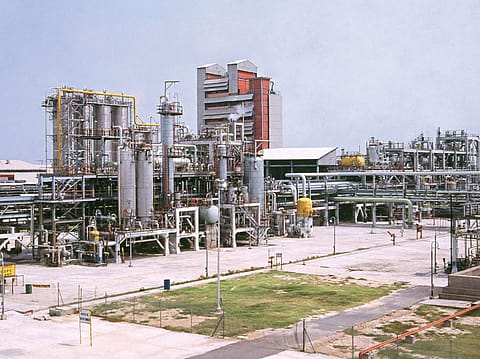
The ongoing conflict involving the US and Israel against Iran has forced the closure of Qatar’s Ras Laffan Industrial City, which hosts the world’s largest LNG production complex.
Qatar LNG disruption may erase global surplus, create deficit: Morgan Stanley
Morgan Stanley warns that a halt in Qatar's LNG production could shift the global market from a surplus to a deficit, as tensions in West Asia disrupt supply. The closure of Qatar's Ras Laffan facility has already led to soaring prices and forced countries like India to seek alternative sources, highlighting vulnerabilities in global energy security.
This summary is AI-generated, and Fortune India is not responsible for its content or any associated copyright issues.
The disruption has already pushed several importing nations, including India, to look for alternate LNG sources
The ongoing conflict involving the US and Israel against Iran has forced the closure of Qatar’s Ras Laffan Industrial City, which hosts the world’s largest LNG production complex.
A halt in liquefied natural gas (LNG) output in Qatar could wipe out the expected global supply surplus and potentially push the market into a deficit this year, analysts at Morgan Stanley have said, according to a report by Bloomberg.
In a research note dated March 8, the bank’s analysts said the suspension of production at one of the world’s biggest LNG exporters could quickly tighten global availability. They cautioned that if the shutdown in Qatar lasts longer than a month, the LNG market could rapidly move from a surplus to a shortfall.
Earlier, before tensions flared in West Asia, Morgan Stanley had estimated that the global LNG market, which is around 420 million tonnes a year, could see an excess supply of up to 6 million tonnes in 2026 as fresh liquefaction capacity comes online.
However, the ongoing conflict involving the US and Israel against Iran has forced the closure of Qatar’s Ras Laffan Industrial City, which hosts the world’s largest LNG production complex. Qatar’s energy minister has indicated that restoring operations at the facility could take several weeks, and possibly months.
The disruption has already pushed several importing nations, including India, to look for alternate LNG sources. Global prices have climbed sharply since the outage began, almost doubling over the period. Morgan Stanley estimates that LNG rates could reach $30 per million British thermal units (mBtu) or even higher.
The bank also expects delays in supplies from the expansion of Qatar’s North Field expansion project. Initial shipments from the project may now be pushed to early next year, which could trim about 1 million tonnes from global LNG supply estimates for this year, Bloomberg reported.
How vulnerable is India’s energy supply?
India is among several countries facing rising concerns over energy security as tensions persist in the region. The country is seen as more exposed to disruptions in LNG and liquefied petroleum gas (LPG) supplies than crude oil.
About 83% of India’s LPG imports and roughly half of its LNG cargoes pass through routes linked to the Strait of Hormuz, a crucial passage for global energy shipments.
Is India looking for alternative LNG sources?
To reduce the risk of supply shortages, India has begun exploring alternative LNG sources, including shipments from Australia and Canada. Domestic energy companies are also holding discussions with international producers such as TotalEnergies and ExxonMobil to secure additional LPG cargoes.
Meanwhile, the Centre has asked refiners to increase domestic LPG production to ensure adequate cooking gas availability. Oil marketing companies have also raised LPG prices by ₹60 per cylinder across the country amid the surge in global rates.
Follow Fortune India
NEXT STORY