The FAQs are AI-generated, and Fortune India is not responsible for its content or any associated copyright issues.
Indian banking sector eyes 11–13% credit growth in H1 2026; 52% lenders see retail loans rising above 13%: FICCI–IBA Survey
/ 2 min read
Survey of 24 banks flags strong momentum in retail and SME lending, with AI disruption and cybersecurity risks reshaping sector outlook
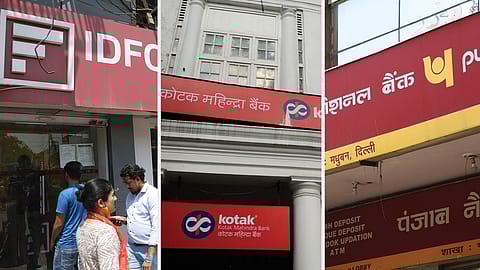
Representational Image
India’s banking sector is likely to sustain credit growth in the 11–13 per cent range in the first half of 2026, with retail lending emerging as the key driver, as over half of lenders expect loan expansion in the segment to exceed 13 per cent, according to the latest FICCI–IBA Bankers’ Survey.
The survey, which covered 24 banks across segments, points to continued momentum in overall credit demand, supported by improving asset quality, resilient economic activity and steady traction in SME and services lending.
About 46 per cent of respondents expect non-food credit growth between 11–13 per cent, while 29 per cent foresee expansion above 13 per cent. Only 8 per cent anticipate growth below 9 per cent, indicating broad-based confidence in credit demand despite global uncertainties. The survey notes that the sector maintains a “broadly constructive outlook on credit growth over the near term,” supported by steady economic activity and improving balance sheets.
Retail, SME lending power growth
Retail credit is expected to remain the primary growth engine, with 52 per cent of banks projecting loan growth above 13 per cent and none expecting it below 9 per cent. SME lending is also seen sustaining strong double-digit expansion, reflecting improving business activity and continued policy support.
Credit demand from the services sector is projected to stay robust, with most banks expecting double-digit growth led by commercial real estate, NBFCs, tourism and logistics. In contrast, industrial credit growth is likely to remain measured, with nearly 71 per cent of respondents expecting expansion in the 9–13 per cent range, signalling a gradual capex recovery rather than a sharp investment cycle.
Infrastructure, metals, real estate and auto components are expected to drive term loan demand, while working capital requirements will be led by textiles, automobiles and pharmaceuticals.
Rates seen stable; capex revival gradual
On monetary policy, most banks expect the policy rate to remain unchanged through June 2026. The report highlights a “strong consensus toward maintaining current policy rates,” suggesting the existing stance is seen as well-calibrated.
Recommended Stories
Public sector banks remain the most optimistic on credit growth, while private lenders are adopting a more selective approach. Agriculture credit is expected to grow in the 9–13 per cent range, indicating stable rural demand conditions.
AI disruption, cybersecurity top concerns
The survey highlights a structural shift underway in banking, with 48 per cent of respondents identifying AI-driven credit underwriting and collections as the biggest disruptive force in 2026. It underscores that artificial intelligence is expected to “fundamentally reshape risk assessment, customer onboarding and recovery mechanisms.”
Cybersecurity risk has emerged as the most pressing challenge, cited by 71 per cent of banks. At the same time, renewable energy financing is seen as the biggest opportunity in sustainable finance, with 83 per cent of respondents backing the segment.
Overall, the survey points to a banking sector that is “reasonably optimistic about credit growth” while preparing for structural shifts driven by technology, sustainability and evolving competitive dynamics.
RANK
COMPANY NAME
REVENUE
(INR CR)
(INR CR)
{{#current-rank}} {{current-rank}} {{/current-rank}} {{^current-rank}} {{rank}} {{/current-rank}} {{name}} {{#revenue}} {{revenue}} {{/revenue}} {{^revenue}} {{noi}} {{/revenue}}