India condemns attacks on Gulf energy assets amid escalating tensions in West Asia
/ 2 min read
The response comes after Iran launched retaliatory strikes targeting energy installations across Saudi Arabia, Qatar, the UAE and Kuwait, following Israel’s airstrike on the South Pars gas field
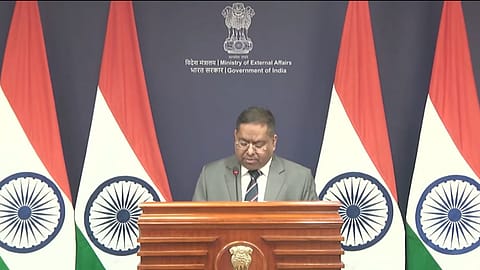
Ministry of External Affairs (MEA) Official Spokesperson Randhir Jaiswal
India on Thursday strongly criticised the rising attacks on energy infrastructure in the Gulf region, warning that the escalating conflict in West Asia could further destabilise global energy markets.
The response comes after Iran launched retaliatory strikes targeting energy installations across Saudi Arabia, Qatar, the UAE and Kuwait, following Israel’s airstrike on the South Pars gas field.
“India had previously called for the avoidance of targeting civilian infrastructure, including energy infrastructure, across the region. Recent attacks against energy installations in different locations across this region are therefore deeply disturbing and only serve to further destabilise an already uncertain energy scenario for the whole world. Such attacks are unacceptable and need to cease,” read the official statement issued by the ministry of external affairs.
Israel strike triggers wider escalation
Tensions in the region intensified after Israel struck South Pars, Iran’s section of the world’s largest gas field. The move triggered a series of retaliatory actions by Tehran, which also urged civilians to evacuate areas near key energy facilities ahead of its strikes.
According to reports, the Iranian offensive led to significant damage across multiple locations. This included destruction at a major gas plant in Qatar, a refinery being hit in Saudi Arabia, shutdown of gas facilities in the UAE, and fires breaking out at two refineries in Kuwait.
While attacks on energy infrastructure are not unprecedented in the region, the scale and frequency of recent strikes mark a sharp escalation, raising concerns over supply disruptions and heightened volatility in global oil and gas markets.
Arab nations issue joint condemnation
In a parallel development, several Arab and Islamic nations issued a joint statement on Thursday condemning the missile and drone attacks. The statement followed a consultative ministerial meeting held in Riyadh on March 18, attended by foreign ministers from Qatar, Azerbaijan, Bahrain, Egypt, Jordan, Kuwait, Lebanon, Pakistan, Saudi Arabia, Syria, Turkey, and the UAE.
The joint statement reflects growing regional concern over the widening conflict and its potential economic fallout, particularly for energy-dependent economies. Analysts say continued disruptions to key oil and gas infrastructure could tighten global supplies and keep energy prices volatile in the near term.
Follow Fortune India
NEXT STORY