
66% of pre-2023 petrol vehicle owners report over 10% mileage loss on E20 fuel; wear & tear complaints jump to 55%: Survey
ADVERTISEMENT
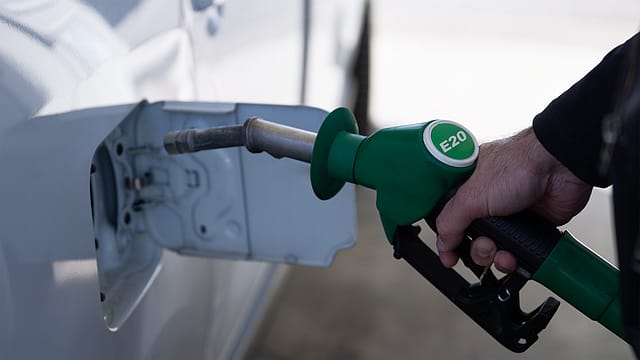
A fresh consumer survey has intensified concerns around the impact of E20 petrol on older vehicles, with 66% of owners of pre-2023 petrol vehicles reporting a fuel-efficiency decline of more than 10% since early 2025, while 55% say they have experienced higher wear & tear or repair needs, according to the survey carried out by LocalCircles
The findings, based on a LocalCircles survey of over 44,000 respondents across 305 districts, come at a time when India is moving towards higher ethanol blends and the Centre has told the Supreme Court that the full impact of the ethanol-blending programme will become clear only by 2027. Nearly 300 million vehicles on Indian roads are estimated to have been originally designed for E5 or E10 fuel rather than E20. 66% of pre-2023 petrol vehicle owners surveyed reported over 10% mileage loss, while 55% reported increased wear & tear or repair needs.
Mileage and other mechanical issues plague consumers
Among 22,100 respondents who answered the mileage question, 23% reported a drop of more than 20%, another 23% reported a 15-20% decline, and 20% reported a 10-15% decline. Overall, 66% said mileage had fallen by more than 10%, up sharply from 45% in the May 2026 survey.
LocalCircles said the share of owners reporting an over-10% mileage decline rose by 21 percentage points month-on-month, a 47% jump.
The survey also found a steeper deterioration in vehicle condition. Of 22,668 respondents, 24% reported a major increase in wear & tear or repairs, 21% reported a moderate increase, and 10% reported a slight increase.
Overall, 55% said they had experienced unusual wear & tear or higher repair requirements, compared with 29% a month earlier — a 26-percentage-point increase, or a 90% jump.
Policy debate widens
The report comes as the government continues to defend the ethanol-blending programme, saying no widespread engine failures linked to E20 have been reported and reiterating its goals of reducing crude-oil imports, improving energy security and lowering emissions.
At the same time, the Bureau of Indian Standards has notified specifications for E22-E30 blends, while automakers such as Maruti Suzuki are preparing retrofit kits for older vehicles. The widening gap between official assurances and consumer experience is likely to keep the policy debate around higher ethanol blends firmly in focus.