
95% Indian buyers ready to pay for software-defined vehicles; hybrids lead transition as EV concerns persist: Deloitte
ADVERTISEMENT
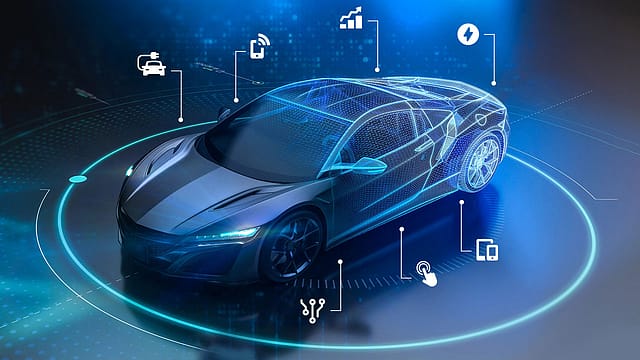
India’s automotive market is accelerating towards a software-first era, with nearly 95 percent of consumers willing to pay for software-defined vehicle (SDV) features, according to the 2026 Deloitte Global Automotive Consumer Study – India. The findings highlight a structural shift in how Indian buyers perceive vehicle ownership, increasingly valuing connected, upgradable and digitally driven experiences over traditional hardware-led attributes.
The study shows that 81 percent of consumers are likely to use AI-enabled vehicle customisation features, reflecting strong readiness for intelligent mobility. Safety, security and continuous vehicle-health monitoring are emerging as core value drivers, signalling that consumers are willing to pay for protection-led digital services rather than convenience features alone.
AI, safety and trust take centre stage
While digital appetite is high, privacy concerns are equally pronounced. Around 73 percent of consumers are concerned about sharing personal device data, and 72 percent about vehicle location data, underscoring rising expectations around transparency and responsible data governance.
Despite the surge in digital research and engagement, 58 percent of consumers trust dealerships the most, reinforcing the need for integrated physical-digital ownership journeys. India also records one of the highest reliances on authorised dealerships for servicing.
Brand loyalty weakens, Hybrids lead the transition
Brand-switching intent remains elevated at 70 percent, while 38 percent of consumers have already changed brands in pursuit of better technology and features. Additionally, 79 percent show interest in purchasing insurance directly from manufacturers, reflecting growing openness to direct-to-consumer automotive models.
Internal combustion engine (ICE) vehicles continue to dominate next-purchase intent, but hybrids are emerging as the preferred transition technology. Interest in battery electric vehicles (BEVs) remains steady, though adoption continues at a measured pace.
Charging, cost and battery concerns persist
EV adoption is shaped by ecosystem constraints, with 43 percent citing public charging infrastructure gaps, 41 percent concerned about charging time, and 38 percent highlighting battery safety and lifecycle issues. Affordability remains critical, with over three-quarters willing to spend up to ₹25 lakh on their next vehicle, and strong traction visible in the ₹5–10 lakh segment.
UPI/QR has emerged as the preferred payment method for public charging, reflecting how India’s digital infrastructure is influencing mobility behaviour.
The findings position India as a pivotal global market in the transition towards software-led, secure and continuously evolving mobility, where intelligence, safety and value-driven electrification will define the next phase of growth.