
Can you buy an ethanol-powered vehicle in India today? Here’s what consumers should know
ADVERTISEMENT
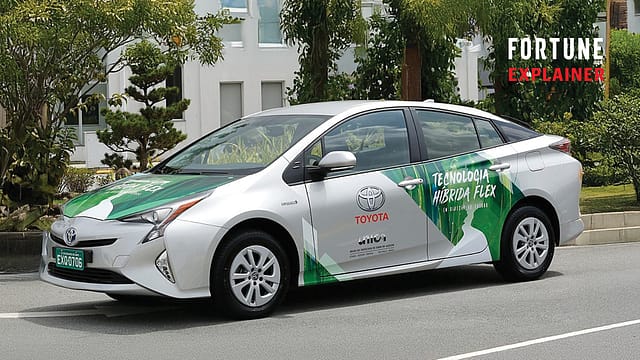
Ethanol-powered vehicles are back in the spotlight after a series of recent announcements by automakers. But before consumers get excited, there is one basic question: can you actually buy one today?
The short answer is no—not yet on a large scale.
While vehicle makers have started showcasing models that can run on higher ethanol blends, most of these vehicles have not yet reached showrooms. The fuel network needed to support them is also still being expanded.
Are ethanol-powered vehicles available for sale?
Not in meaningful numbers.
A few manufacturers have unveiled flex-fuel motorcycles and cars that can run on higher ethanol blends such as E85, which contains 80-85% ethanol and 15-20% petrol. However, most of these vehicles are still at the demonstration or pilot stage, and companies are yet to announce large-scale retail rollouts.
As things stand, consumers have very limited options if they want to buy a flex-fuel vehicle today.
Can you get the fuel?
Only in a limited way.
Earlier this month, the government launched E85 fuel at 48 retail outlets operated by state-run oil marketing companies. The plan is to expand the network to 500 outlets by December 2026 and around 5,000 outlets by the end of 2027.
Until then, fuel availability is likely to remain one of the biggest hurdles to wider adoption.
Why is the government pushing ethanol?
India imports a large share of its crude oil requirement. The government sees ethanol as a way to reduce that dependence while also lowering vehicle emissions.
The country has already rolled out E20 petrol nationwide. More recently, the Bureau of Indian Standards (BIS) notified specifications for E22, E25, E27 and E30 fuels, signalling preparations for higher ethanol blends in the coming years.
What are the benefits—and the drawbacks?
Supporters say ethanol-compatible vehicles can reduce oil imports and make greater use of domestically produced fuel. Another advantage is that manufacturers can modify existing petrol-engine platforms instead of developing entirely new vehicle architectures.
The drawbacks are equally important. Higher ethanol blends generally deliver lower fuel efficiency than petrol, and fuel availability remains limited. Consumers may also hesitate to buy such vehicles if fuel stations are not easily accessible.
Put simply, India has started preparing for flex-fuel mobility, but neither the vehicles nor the fuel are widely available yet. The next few years will determine whether ethanol-powered vehicles become a mainstream option or remain a niche alternative alongside EVs.