
Delhi EV policy 2.0 targets 95% electric vehicle registrations by 2027, ₹15,000 crore investment earmarked
ADVERTISEMENT
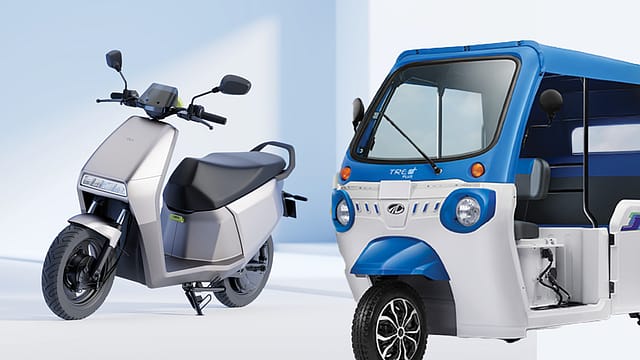
The Delhi Cabinet on Monday approved the Electric Vehicle (EV) Policy 2.0, which aims to ensure that 95% of all new vehicles registered in the national capital are electric by 2027. Chief Minister Rekha Gupta said the policy, expected to come into force from July 1, will be backed by an investment of ₹15,000 crore over the next four years to accelerate Delhi's transition to cleaner mobility.
The policy combines purchase incentives, scrappage benefits and phased electrification mandates across vehicle categories, while laying out a roadmap to make electric vehicles account for 95% of all new registrations in Delhi by 2027. It also seeks to make EVs more affordable while gradually phasing out fossil fuel-powered vehicles in key segments.
Subsidies, incentives to drive EV adoption
To encourage faster adoption, the government will provide a subsidy of ₹30,000 for all electric two-wheeler buyers and ₹50,000 for electric three-wheeler purchasers during the first year of the policy. In addition, owners of Bharat Stage-IV (BS-IV) four-wheelers will be eligible for a scrapping incentive of ₹1 lakh, providing an added push for replacing older, more polluting vehicles with cleaner alternatives.
Announcing the Cabinet's decision, Gupta said the government is committed to making Delhi a national leader in sustainable transportation. She said the administration would invest ₹15,000 crore over the next four years under the policy, while targeting 95% of new vehicle registrations to be electric by 2027.
The chief minister said the policy has been designed to accelerate EV adoption through a mix of financial incentives and regulatory measures, making clean mobility more accessible for both individual consumers and commercial operators.
Phased transition for commercial vehicles
As part of the implementation roadmap, only electric autorickshaws will be registered in Delhi from January 1, 2027, according to officials. The policy also mandates that registrations of new petrol or diesel-powered two-wheelers will be phased out, with only electric two-wheelers to be registered from April 1, 2028.
The staggered rollout is aimed at allowing manufacturers, fleet operators and consumers adequate time to transition to electric alternatives while strengthening the city's charging ecosystem.
No tax relief for hybrid vehicles
Although the draft version of the policy had proposed a 50% waiver on road tax for hybrid vehicles priced up to ₹30 lakh, the final Cabinet-approved policy has dropped the proposal. Officials clarified that no subsidy or tax incentive has been extended to hybrid vehicles, indicating the government's clear preference for fully electric mobility over transitional technologies.
With generous subsidies, scrappage incentives and mandatory electrification timelines, Delhi's EV Policy 2.0 marks one of the country's most aggressive clean mobility programmes and is expected to significantly reshape the capital's automotive landscape over the next few years.
Industry welcomes policy push
The policy has drawn a positive response from industry, with stakeholders saying it provides long-term policy certainty for the electric mobility ecosystem while reinforcing Delhi's position as one of India's leading EV markets.
A Tata Motors Passenger Vehicles spokesperson welcomed the policy, saying it reinforces the government's commitment to accelerating the adoption of zero-emission mobility.
"Delhi has once again demonstrated leadership in doing the right thing. By retaining ambitious electrification timelines for high-usage vehicle segments and focusing policy incentives on pure EVs, the government has reinforced the principle that public support should benefit and accelerate technologies that deliver the maximum environmental benefit with zero emissions," the spokesperson said.
"This policy provides long-term direction for the industry, strengthens confidence in India's EV ecosystem and can serve as a benchmark for other states pursuing cleaner urban mobility," the spokesperson added.
Echoing similar views, Nirmal K. Minda, President, ASSOCHAM, said the policy is a forward-looking initiative that addresses Delhi's persistent air pollution challenge while advancing sustainable urban mobility.
"The proposed ₹15,000 crore investment towards strengthening the EV ecosystem, including charging infrastructure and incentives, reflects the scale of commitment required to accelerate the clean mobility transition," Minda said.
"The policy has the potential to substantially reduce vehicular emissions while creating new economic opportunities and can serve as a model for other states to adopt similar clean mobility initiatives suited to their local needs," he added.
TVS Motor Company also welcomed the policy, saying it would help accelerate EV adoption in the national capital. "We welcome the Delhi government's new EV policy, which is proactive and forward-looking," said Sudarshan Venu, Managing Director, TVS Motor Company.