
E4W sales set to more than double to 5 lakh units by FY28; OEMs earmark over ₹24,000 crore for EV push: Crisil
ADVERTISEMENT
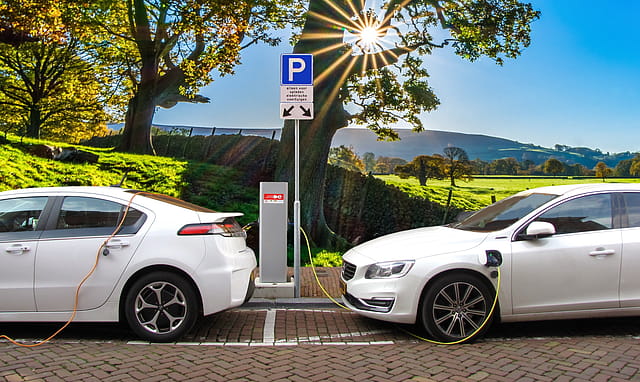
Electric Four-Wheeler (E4W) adoption in India is entering a new growth phase, with sales expected to more than double to around 5 lakh units by next fiscal from about 2.2 lakh units in FY26, according to a report by Crisil Ratings.
The report comes at a time when higher fuel prices, triggered by the ongoing West Asia conflict, have improved the economics of electric vehicles. Average monthly E4W volumes surged nearly 40% to a record 26,000 units during the three months ended May 2026, while market penetration rose to 6.1% from the FY26 average of 4.6%.
Wider model choices, better economics drive adoption
The ratings agency noted that the running cost of internal combustion engine (ICE) vehicles increased 7-8% in May due to higher fuel prices, improving the total cost of ownership (TCO) advantage of electric cars by nearly 300 basis points.
However, Crisil believes the current momentum is not merely a consequence of rising fuel prices. While a GST cut on ICE vehicles in September 2025 temporarily narrowed the ownership-cost advantage enjoyed by EVs and slowed growth for a few months, demand has regained traction as electric vehicles become more affordable and consumers gain access to a wider range of products.
“The long-term growth trajectory remains intact despite periodic policy or pricing adjustments,” said Manish Gupta, Senior Director and Deputy Chief Ratings Officer at Crisil Ratings. According to Gupta, E4W volumes are expected to cross 5 lakh units by next fiscal, pushing penetration levels to 8-10% from about 4.6% in FY26. He attributed the outlook to improving ownership economics, a rapidly expanding product portfolio and rising consumer acceptance of EV technology.
The number of E4W models available in the market has doubled to around 20 over the past two fiscals and is expected to exceed 35 by next fiscal, with several launches planned in the sub-₹15 lakh category.
Range improvements and EV investments gather pace
Technological advancements are also helping address range anxiety, one of the biggest barriers to EV adoption. Premium electric models now offer driving ranges of 500-700 km per charge, while mid-range vehicles deliver 300-450 km. Extended battery warranties and Battery-as-a-Service models are further improving consumer confidence.
The proposed tightening of corporate average fuel efficiency (CAFE) norms from next fiscal could provide an additional push to EV adoption, the report said.
₹24,000 crore-plus EV capex planned
Automakers are also stepping up investments to prepare for the next phase of growth. Crisil estimates that of the nearly ₹60,000 crore capital expenditure planned across FY27 and FY28, more than 40%—or over ₹24,000 crore—will be directed towards EV portfolio expansion, supply-chain localisation and manufacturing scale-up.
“OEMs are entering this investment cycle from a position of strength,” said Anand Kulkarni, Director, Crisil Ratings. “Healthy cash generation from existing ICE portfolios and stronger balance sheets should help absorb the elevated EV investments without materially weakening credit profiles.”
Kulkarni cautioned, however, that a faster shift towards electric vehicles could pressure profitability in the near term. “Margins may remain diluted initially because manufacturers are still building scale while competing aggressively on pricing. But as volumes increase, localisation improves and operating leverage kicks in, profitability should gradually improve,” he said.
The report said the pace of localisation, expansion of charging infrastructure and continuity of policy support, including low GST rates and road tax incentives, will remain critical to sustaining India's electric mobility transition.