
India auto sector set for 3–6% growth in FY27; premiumisation and EV upgrades redefine demand
ADVERTISEMENT
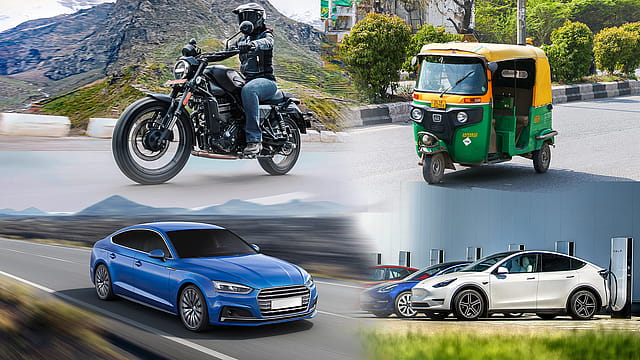
India’s automotive industry is showing signs of moderating growth in the upcoming fiscal year, with overall wholesale volumes expected to expand between 3% and 6% in FY27 after a strong rebound in the latter half of FY26, as per the data shared by ICRA. The ratings agency claimed that the shift reflects a gradual normalisation from the peak growth phases seen in the past year as pent‑up demand eases and inventory levels stabilise following policy‑driven boosts.
Passenger Vehicles: Stable growth with premium push
In the passenger vehicle (PV) segment, wholesale volumes are projected to grow 4–6% in FY27, slightly softer than FY26’s pace. Demand continues to be underpinned by replacement needs and sustained interest in personal mobility, particularly in utility vehicles and SUVs, which are outperforming traditional sedans thanks to new model launches and shifting preferences. Alongside this, there is an uptick in consumer interest toward alternative powertrains such as CNG, hybrid and electric vehicles, responding to environmental trends and evolving regulations.
Two‑Wheelers: Mixed momentum
The two‑wheeler market, a key proxy for broader mobility trends in India, is likely to see 3–5% growth in FY27. While mid‑tier motorcycles and scooters are witnessing a steady rebound—supported by improving rural incomes and easier financing—entry‑level models remain challenged amid price increases and budget constraints. The electric two‑wheeler segment continues to inch forward, though industry‑wide supply challenges persist, particularly in sourcing specific EV components.
Commercial Vehicles: Steady demand backed by infrastructure
Commercial vehicle (CV) volumes are forecast to grow 4–6% in FY27, mirroring previous trends seen in FY26. The steady expansion is supported by robust infrastructure spending, a stable macroeconomic backdrop, and ongoing replacements of ageing fleets. Strong demand for buses and light commercial vehicles continues to offset pressures on larger truck segments, where affordability factors remain a headwind.
Structural shifts gain traction
Across all segments, premiumisation is reshaping demand patterns, with consumers increasingly gravitating toward higher‑spec models. Additionally, powertrain diversification—especially in EV adoption—is becoming a longer‑term structural theme, supported by falling technology costs, improved charging infrastructure and supportive government policies.
These projections are based on data collated and analysed by ICRA, reflecting both macroeconomic influences and micro‑level shifts in consumer behaviour, signalling a cautious but resilient growth trajectory for the Indian auto industry in FY27.