
Maruti Suzuki Baleno facelift gets Level 2 ADAS, ventilated seats: What else has changed?
ADVERTISEMENT
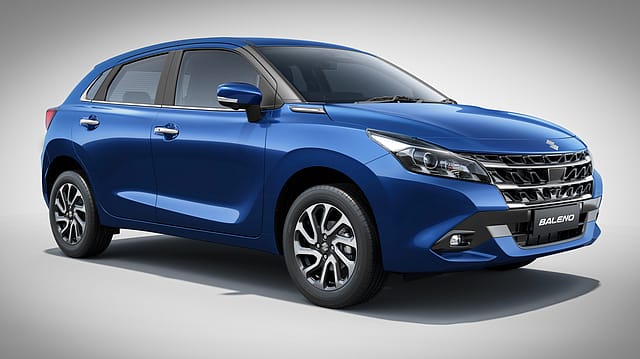
Maruti Suzuki’s updated Baleno is more than a cosmetic refresh. The premium hatchback, launched at ₹6.10 lakh (ex-showroom), gets changes across safety, cabin equipment and its powertrain. Here are the key additions buyers should know about.
Level 2 ADAS comes to the Baleno
The biggest change is the introduction of Level 2 Advanced Driver Assistance Systems (ADAS), using a combination of radar and camera. The system brings eight functions, including advanced emergency braking, lane keep assist, lane departure prevention and warning, adaptive cruise control, high-beam assist, vehicle sway warning and forward collision warning.
The Baleno also gets six airbags, electronic stability programme, ABS with EBD, hill-hold control and tyre-pressure monitoring system. A 360-degree camera and head-up display continue to be available.

New engine, higher claimed efficiency
The Baleno is now powered by Maruti Suzuki’s Z12E engine, producing 61 kW of maximum power at 5,700 rpm and 112.4 Nm of peak torque at 4,500 rpm. It comes with Dual VVT and idle start-stop technology.
Buyers can choose between a five-speed manual and Auto Gear Shift (AGS) transmission. The manual version has a claimed fuel efficiency of 23.80 km/l, while the AGS version is rated at 24.77 km/l. Maruti Suzuki says these figures are 6.4% and 7.9% higher, respectively, than the outgoing model.
A few notable changes in the interiors
The facelift introduces ventilated front seats with leatherette upholstery. The cabin also gets a 22.86-cm (9-inch) SmartPlay Pro+ infotainment system with wireless Apple CarPlay and Android Auto.
Another addition is a Qi-certified wireless smartphone charger with active cooling. The car also gets a Clarion sound system, while Suzuki Connect provides more than 40 connected-car functions covering vehicle safety, security, alerts, driving behaviour and remote operations.
The S-CNG version also gets the Z12E engine with a five-speed manual gearbox and has a claimed efficiency of 33.61 km/kg, up 9.8% from the previous model.
Some embellishments in the exteriors
On the outside, the facelift gets a redesigned NEXWave grille, revised front bumper and lower grille, chrome-accented fender garnish and LED DRLs. It is offered in seven colours, including the new Enigmatic Teal.
For buyers comparing premium hatchbacks, the Baleno continues to compete with models such as the Hyundai i20, Tata Altroz and Toyota Glanza.