
Tata Motors CV Q3 FY26 profit slides 48% despite revenue surge, hit by one-time costs
ADVERTISEMENT
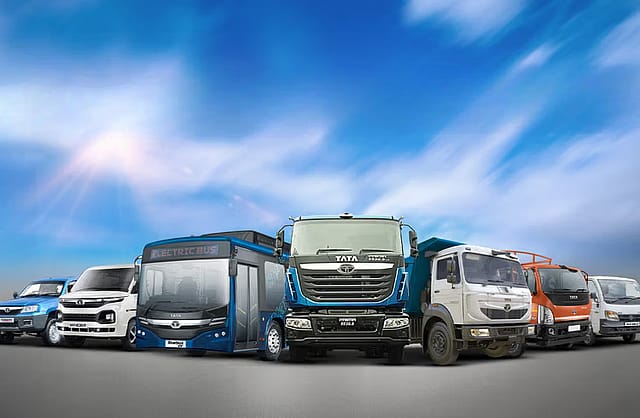
Tata Motors’ commercial vehicles (CV) business reported a consolidated net profit of ₹705 crore in the third quarter of FY26, marking a sharp 48% year-on-year decline from ₹1,355 crore in the corresponding period last year. The drop was largely driven by substantial exceptional expenses booked during the quarter.
On a sequential basis, however, the company swung back into profit after reporting a loss of ₹867 crore in Q2 FY26, pointing to a recovery in the underlying operating environment.
Exceptional costs weigh heavily on earnings
Net profit was significantly impacted by exceptional costs amounting to ₹1,643 crore. This included ₹962 crore towards stamp duty expenses related to Tata Motors’ demerger scheme, ₹603 crore arising from the implementation of new labour codes, and ₹82 crore linked to acquisition-related expenses.
The labour code impact included higher provisions for gratuity and long-term compensated absences, further weighing on reported earnings.
Revenue growth supported by improving demand
Despite the profit pressure, revenue performance remained robust. Revenue from operations rose 16.1% year-on-year to ₹21,847 crore during the October–December quarter. Sequentially, revenue increased 17.5%, aided by higher volumes, better operating leverage and replacement-led demand from fleet operators.
Analysts note that improving freight movement and lower vehicle prices encouraged operators to replace ageing fleets, supporting volume growth across key CV categories.
Margins improve, EBITDA shows resilience
Operational metrics showed steady improvement. Operating margin expanded to 12.6% from 12.07% a year ago, while consolidated EBITDA margin improved by 30 basis points to 12.5%. EBITDA rose sharply during the quarter, reflecting improved scale and cost efficiencies, even as the net profit margin moderated to 3.23%.
Volumes and market share gain momentum
CV wholesales rose 20% year-on-year to 1,16,800 units during the quarter. Domestic volumes grew 18%, while export volumes surged 70%. Tata Motors also reported a sequential 100 basis point increase in domestic CV VAHAN market share to 35.5%, signalling strengthening competitive positioning.
Outlook remains positive
Looking ahead, Tata Motors expects demand to strengthen further in Q4 FY26, supported by continued government infrastructure spending and expansion across construction, logistics and industrial segments.