
Air India brings back former CMD Pradeep Kharola as executive adviser amid CEO transition
ADVERTISEMENT
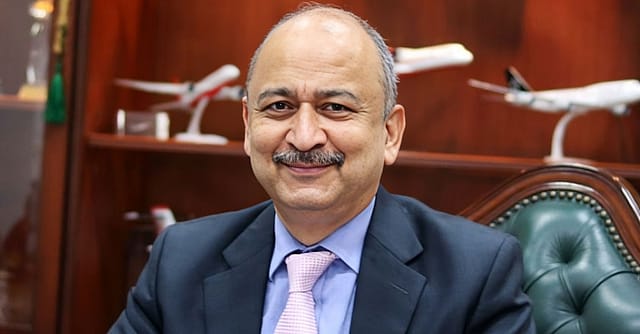
Air India has brought back former chairman and managing director Pradeep Singh Kharola into its senior management team as the airline moves closer to a leadership transition, with chief executive Campbell Wilson now in the final months of his tenure. The airline has appointed Kharola as executive adviser to chairman N Chandrasekaran, in a move that adds a familiar hand to the management committee at a time of pressure on operations, finances and leadership continuity.
Wilson has publicly stated that his successor will inherit a difficult job. In May, he said the next chief executive would have their “hands full,” citing the airspace restrictions over Pakistan, the Iran conflict, fuel-cost pressures and the broader operating challenges facing the carrier. In April, Air India said Wilson had resigned after nearly four years in the role and would remain until a successor was appointed.
A familiar face returns
Kharola is no stranger to Air India. He served as Air India's chairman and managing director between 2017 and 2019 before moving to the Ministry of Civil Aviation as secretary, where he played a key role in the government's efforts to privatise the airline. Kharola's return comes as Air India looks to stabilise leadership after months of speculation over Wilson’s exit.
Air India’s leadership search has itself become part of the larger narrative around the Tata Group airline. Reuters reported earlier that Nipun Aggarwal, Air India’s chief commercial officer, and Vinod Kannan, the former Vistara chief executive, were among the contenders being considered for the top job.
Financial and operational pressure build
The appointment comes at a difficult time for the carrier. Air India and Air India Express reported a combined loss of about ₹9,568 crore in FY25, and the airline’s annual loss had widened to about $3 billion in FY26 on account of foreign exchange losses, higher fuel costs and airspace disruptions. Air India has also faced reputational and regulatory pressure after last year’s deadly Ahmedabad crash.
The Tata Group-owned airline is also in the middle of a fleet refurbishment programme and a broader operational overhaul. Air India has placed orders for more than 500 aircraft, but supply-chain bottlenecks and rerouting costs have complicated the turnaround. Pakistan’s airspace restrictions have added to flying times and fuel burn, while the West Asia conflict has made the operating environment even more volatile.
Kharola’s appointment adds a policy-savvy administrator to the leadership bench at a critical moment. Air India is trying to maintain execution momentum while also preparing for a new CEO and completing a wider transformation under Tata Sons chairman N Chandrasekaran, who also chairs the airline. The timing suggests the group wants continuity in government interface, regulatory handling and operational coordination before the next chief executive takes charge.