
Amazon’s catch-up plan in quick commerce starts with 100 urban fulfillment centres, wider selection, minutes delivery
ADVERTISEMENT
Amazon is widening its quick commerce ambitions in India with plans to roll out more than 100 Urban Fulfillment Centers, a new infrastructure layer aimed at significantly expanding product selection available for delivery in minutes.
The company said the new facilities will offer customers access to four times more selection than what is currently available through Amazon Now. The announcement comes ahead of Prime Day 2026 and marks Amazon's latest effort to strengthen Amazon Now, its rapid delivery service that is being scaled across the country.
Unlike the micro-fulfillment centers that primarily support grocery and daily essentials deliveries, the larger Urban Fulfillment Centers will stock a broader range of products, including apparel, electronics, jewellery, footwear, luggage, watches, wireless accessories, musical instruments and furniture. They will also continue to carry groceries, personal care products, beauty items, small appliances, baby products, pet supplies and healthcare supplements.
The move builds on Amazon Now's previously announced expansion to 100 cities through a network of more than 1,000 micro-fulfillment centers. The company said the Urban Fulfillment Centers will initially be rolled out across major markets including Bengaluru, Chennai, Delhi-NCR, Hyderabad and Mumbai.
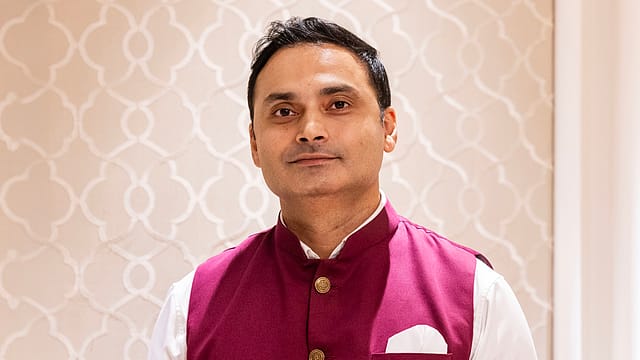
"Customers appreciate the speed, convenience and selection available on Amazon.in. As we continue to scale Amazon Now, we remain focused on offering customers a wider selection, value and faster delivery speeds across categories," said Abhinav Singh, vice president, Operations, Amazon India, APAC, Middle East, Africa and Turkiye.
Singh said the initiative is backed by Amazon's long-term investments in technology, infrastructure and operations. "With the launch of Urban Fulfillment Centers, we are bringing inventory closer to customers, enabling faster deliveries across a wide selection offered by our sellers, so customers continue to get the convenience and value on Amazon Now," he added.
The expansion forms part of Amazon's previously announced investment of more than ₹2,800 crore, or about $300 million, in India. The investment is intended to strengthen the company's operations network while supporting safety, health and financial wellbeing measures for associates.
Alongside its logistics expansion, Amazon is also increasing the footprint of its Ashray centres, dedicated rest facilities for delivery associates. The centres provide amenities such as air-conditioned seating, drinking water, washrooms, charging stations and first-aid kits. Amazon recently said it plans to expand the network from 100 to 250 centres during 2026.
Catching up, but on Amazon's terms
Most quick commerce players built their businesses around a relatively limited catalogue of high-frequency products. Amazon's strength has always been selection. The challenge has been bringing that selection into a rapid-delivery model.
The new infrastructure suggests Amazon is trying to combine its traditional e-commerce advantage with the speed expectations created by quick commerce. Instead of competing only in groceries, it wants customers to think of Amazon Now when they need a pair of earphones, a watch, a suitcase or a small appliance immediately.
Amazon entered India's quick commerce race later than established players. Since April, it has announced plans to expand Amazon Now to 100 cities through more than 1,000 micro-fulfillment centres, a major scale-up from its earlier footprint.
Rather than relying solely on dense networks of dark stores, Amazon is layering larger Urban Fulfillment Centers on top of its micro-fulfillment network. This could allow it to carry a wider assortment while leveraging its existing logistics infrastructure and seller ecosystem.
The company said its fulfillment network today enables delivery of tens of thousands of products within minutes or a few hours, more than one million products on the same day, over four million products the next day, and millions more through Prime delivery. The addition of Urban Fulfillment Centers signals Amazon's intent to broaden both speed and assortment as competition intensifies in India's fast-growing quick commerce market.