
Auto industry seeks capex push, EV sops, measures to boost rural demand in Budget 2026
ADVERTISEMENT
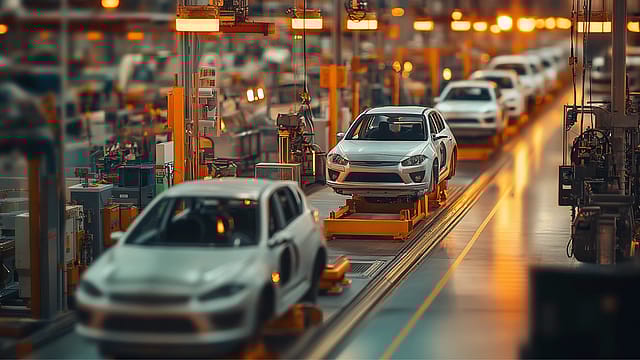
As the Union Budget 2026–27 draws closer, India’s automobile industry is setting out clear expectations focused on higher public spending, policy stability and support for cleaner mobility.
With the sector navigating uneven demand conditions and global supply-side uncertainties, industry stakeholders believe the upcoming Annual Budget, which will be tabled by the Union Finance Minister Nirmala Sitharaman on 1st February 2026, could play a decisive role in sustaining momentum across segments.
Industry seeks renewed thrust on Infrastructure, rural push
A continued thrust on infrastructure-led growth remains central to expectations. Automakers and suppliers alike anticipate fresh allocations towards road, transport and logistics infrastructure, which are seen as critical not only for improving mobility and reducing operating costs, but also for stimulating vehicle demand over the medium term.
Piyush Arora, MD and CEO of Skoda Auto Volkswagen India (SAVWI), underscored the need for consistency in policymaking. “As the Union Budget approaches, after the successful and welcome implementation of GST 2.0, the industry will be looking for policy continuity and long-term clarity. Sustained support for domestic manufacturing and increased allocation for road and transport infrastructure will be key priorities.”
Alongside capex, there is growing optimism that the government may step up measures to boost rural incomes—an area closely linked to demand for entry-level passenger vehicles, two-wheelers and small commercial vehicles.
Need for renewed push on e-mobility
Electric mobility continues to dominate industry discussions ahead of the Budget. While the sector has made steady progress, stakeholders argue that adoption, particularly outside large urban centres, remains constrained by cost pressures and ecosystem gaps.
“Rationalising the inverted duty structure for EVs will strengthen domestic manufacturing and competitiveness and will (also)further accelerate India’s transition to sustainable mobility. Continued focus on building the EV ecosystem, alongside measures that support household disposable incomes, will be essential to sustain demand momentum and reinforce the sector’s role in India’s broader economic growth,” added Arora from SAVWI.
From an electric commercial vehicle perspective, Uday Narang, Chairman, Omega Seiki Mobility, pointed to the need for focused support in specific use cases. “As the electric mobility sector enters a phase of consolidation, the Union Budget has an opportunity to provide targeted, pragmatic support where it can deliver immediate impact… These measures are essential to drive adoption and enable cleaner, more efficient freight mobility.”
Strengthening of domestic supply chain
Supply-chain resilience has also emerged as a key concern amid global disruptions. Saket Mehra, Partner and Auto & EV Industry Leader at Grant Thornton Bharat, noted, “The upcoming Budget must strengthen the backbone of India’s auto supply chains to withstand global turbulence while accelerating the shift to cleaner, advanced technologies… Budget 2026 is an opportunity to align localisation, MSME support, and clean-mobility goals so India can build resilient, diversified, and future-ready automotive value chains.”
Together, these expectations highlight an industry looking for continuity, targeted reforms, and a clear long-term roadmap from Budget 2026–27.