
Bikaji’s volume-led growth powers 12.5% revenue rise in Q1, but margin pressure lingers
ADVERTISEMENT
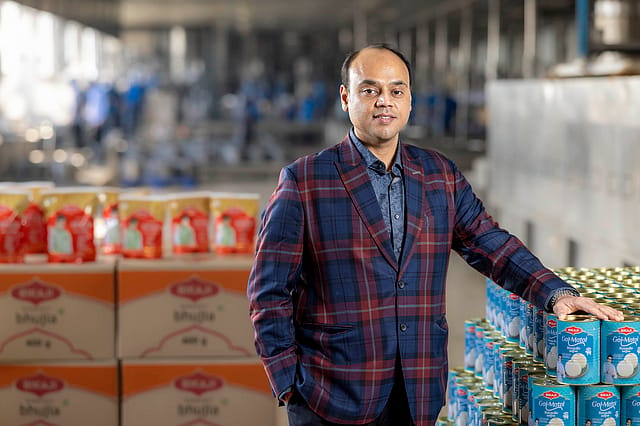
Bikaji Foods International began FY27 on a strong footing, reporting double-digit revenue growth driven by higher volumes, expanding distribution and strong demand for its core snacks portfolio. However, rising raw material costs continued to weigh on profitability, resulting in slower growth in earnings compared with sales.
The ethnic snacks maker reported consolidated revenue from operations of ₹734.3 crore for the quarter ended June 30, up 12.5% year-on-year, while volume growth stood at 7.7%. EBITDA rose 2.8% to ₹99 crore and profit after tax increased 1.6% to ₹59.5 crore.
The company’s gross margin improved by 70 basis points year-on-year to 35.7%, reflecting pricing actions and product mix improvements. However, EBITDA margin declined 130 basis points to 13.5%, indicating that inflationary pressures on key inputs continued to impact operating profitability.
“Despite persistent inflation in key raw materials, we improved our gross margins by 70 bps YoY at 35.7%, a testament to the discipline of our procurement and manufacturing teams and the pricing and mix actions we have taken,” said Deepak Agarwal, chairman and managing director of Bikaji Foods International.
Western snacks outpace core categories
Ethnic snacks, the company's largest business segment, continued to dominate the portfolio, contributing roughly 76% of revenue. Revenue from the category rose 11.4% year-on-year to ₹515.3 crore. Packaged sweets grew a modest 4.4% to ₹43.4 crore.
The standout performer was the western snacks business, where revenue surged 21.3% year-on-year to ₹68.4 crore, reflecting the company's efforts to diversify beyond traditional Indian snacks. The company also launched five western snack products during the quarter and expanded its presence across quick commerce and e-commerce platforms including Blinkit, Zepto and Instamart.
Papad remained the weak spot in the portfolio, with revenue declining 6.5% year-on-year to ₹33.1 crore.
Geographically, Bikaji's focus markets delivered the strongest performance, growing 18.9% year-on-year to ₹97.5 crore. Core markets, which account for more than 72% of revenue, grew 10.8% to ₹492.7 crore. Exports declined 2.2% to ₹29 crore, highlighting weakness in overseas demand relative to the domestic market.
The company continued to deepen its distribution footprint, increasing direct coverage by over 17,000 outlets during the quarter to about 3.71 lakh outlets. Its overall reach stood at 14.46 lakh outlets as of June 30.
Agarwal said the company remains focused on operational efficiency while continuing investments in capacity, distribution and product development. “We remain sharply focused on operational efficiency even as we continue to invest behind capacity, distribution, and new product development,” he said.
Bikaji ended the quarter with an installed manufacturing capacity of 325,320 metric tonnes across categories and 28 retail stores, up from 15 stores a year ago. While demand trends remained healthy, the pace of profit growth suggests that managing commodity inflation and protecting margins will remain key challenges in the coming quarters.