
Déjà vu: Disputes at the helm of the Tata Group
ADVERTISEMENT
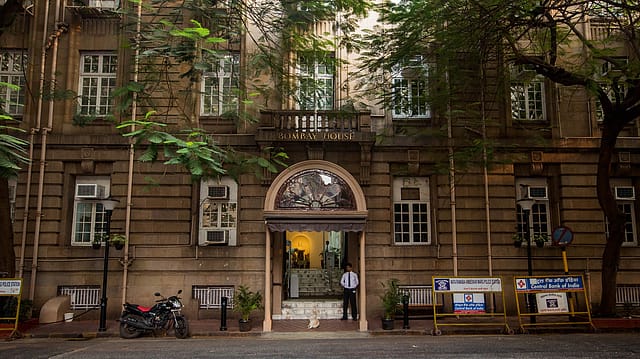
The latest rupture at the top of Tata Sons, leading to the resignation of N. Chandrasekaran as chairman, echoes the power struggles that have shaped the salt-to-software conglomerate over the past three decades. The differences between Tata Trusts chairman Noel Tata and Tata Sons chairman N. Chandrasekaran recall, in different ways, the battles Ratan Tata fought with powerful business heads in the Tata Group in the 1990s and, more directly, his eventual confrontation with the late Cyrus Mistry a decade ago.
Chandrasekaran has resigned as chairman of Tata Sons after nearly nine years at the helm. He is expected to remain a director until the end of his current term, which ends in February. His exit comes amid differences with Noel Tata over strategic issues concerning Tata Sons, including its regulatory status and the possibility of a listing, according to people familiar with the matter.
The underlying issue is clear—who will control the $170 billion Tata Group? After Ratan Tata’s death in 2024, Noel Tata took over the leadership of the Trusts. However, he was challenged within the Trusts and was not reported to by Tata Sons leadership in the manner it had reported to Ratan Tata.
Noel Tata wanted three things from Chandrasekaran—protecting Tata Sons and keeping it privately held; facilitating the exit of the Shapoorji Pallonji Group’s 18.34% stake in Tata Sons; and turning around new businesses, including the struggling Air India and Tata Digital. He wanted a response from Chandrasekaran on these issues, but Chandrasekaran responded about the performance of the businesses to the Tata Sons board, said sources. He was of the view that he had no role in the RBI’s decision on the listing of Tata Sons under the NBFC-UL rules.
Disputes surfaced repeatedly after Ratan Tata took charge as chairman following the demise of JRD Tata. When he became chairman of Tata Sons in 1991, he inherited a group in which powerful business heads exercised considerable autonomy. Ratan Tata had to establish the authority of the centre over what were effectively strong individual fiefdoms. The challenge was not merely about personalities. He wanted to create a more cohesive group, with Tata Sons exercising greater strategic control over its operating companies.
That battle with the old guard became one of the defining moments of Ratan Tata’s early tenure. It laid the foundation for a more centralised Tata Group and gave Tata Sons greater influence over its constituent companies. Ironically, the stronger centre eventually became the stage for another confrontation over who should control it.
Cyrus Mistry was supposed to represent continuity. He came from the Shapoorji Pallonji family, and had deep links with the Tata family. Mistry was appointed deputy chairman in 2011 and succeeded Ratan Tata as chairman in 2012.
The relationship deteriorated within four years. Mistry’s removal as Tata Sons chairman in October 2016 triggered one of India’s most dramatic corporate battles. In his subsequent communication, Mistry questioned several decisions taken during Ratan Tata’s tenure, including expensive global acquisitions and the group’s exposure to businesses such as Tata Steel Europe, Indian Hotels and Tata Power Mundra. He also alleged that Ratan Tata’s continued intervention had constrained his authority as chairman.
The Tata Group, in turn, questioned Mistry’s performance and his decisions on several strategic matters. The disagreement eventually became a legal battle involving Tata Sons and the Mistry family.
A decade later, the fault line is appearing again, but with a crucial difference. This time, the shareholder representative is not an outsider challenging the Tata establishment. Noel Tata is chairman of Tata Trusts, which collectively control about 66% of Tata Sons, and sits on the Tata Sons board as a Trust nominee.
Chandrasekaran, meanwhile, is the professional manager who was brought in after the Mistry episode. His mandate was to modernise the group and strengthen the One Tata structure. Under his leadership, the group has pushed aggressively into electronics, semiconductors, batteries, digital businesses and aviation, while also steering its traditional businesses through a major transformation.
Tensions emerged after Noel Tata questioned the performance of several businesses and sought greater clarity on issues including Tata Sons’ financial position, its strategic investments, and the proposed exit of the Shapoorji Pallonji Group from its holding in Tata Sons. The question of Tata Sons’ future ownership structure and whether the holding company should remain private has added another dimension to the differences.
The regulatory issue is particularly important. Tata Sons was classified by the Reserve Bank of India as an upper-layer NBFC, which brought a listing requirement under the regulatory framework. The holding company subsequently surrendered its NBFC registration, avoiding the immediate listing route. Tata Sons also claimed that it is not in the business of lending or other financial services. RBI is yet to come out with its final decision on the issue.
The new leadership structure after Chandrasekaran’s exit is now the focal point, given the group’s size and presence across geographies.