
Economic Survey 2026 flags steady farm-sector growth, stresses allied activities as key income driver
ADVERTISEMENT
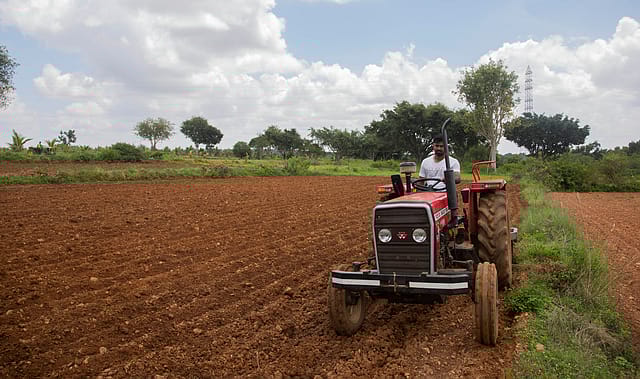
Agriculture and allied activities continue to play a pivotal role in India’s growth story, contributing nearly one-fifth of national income at current prices while employing 46.1% of the workforce, the Economic Survey for FY26 said on Thursday. The survey underlined that strengthening farm-sector performance remains critical for inclusive growth and food security, given the sector’s outsized role in employment.
Tabled in Parliament by Union finance minister Nirmala Sitharaman, the survey noted that Indian agriculture has shown resilience in recent years, recording steady growth with allied activities emerging as the main growth engine. While foodgrain output has risen consistently, higher-value segments such as livestock, fisheries, and horticulture are increasingly driving income generation and supporting rural livelihoods.
According to the survey, the agriculture and allied sector has recorded an average annual growth rate of about 4.4% at constant prices over the past five years. In the second quarter of FY26, the sector grew 3.5%. Over the decade from FY16 to FY25, agriculture posted a growth of 4.45%—the highest among previous decades—led by robust expansion in livestock (7.1%) and fishing and aquaculture (8.8%), followed by crop-sector growth of 3.5%.
Foodgrain production
Foodgrain production has also continued to rise despite structural and climatic challenges. India’s foodgrain output is estimated to have reached 3,577.3 lakh metric tonnes in the 2024–25 agriculture year, an increase of 254.3 lakh tonnes over the previous year, driven by higher production of rice, wheat, maize, and coarse cereals, including Shree Anna.
Farmer incomes
However, the survey cautioned that persistent challenges continue to constrain productivity and farmer incomes. These include fragmented landholdings, limited access to irrigation and quality inputs, low levels of mechanisation and investment, and stagnating yields across several crops and regions.
National Food Security Mission
The government has been implementing the National Food Security Mission (NFSM) since 2007 to enhance productivity and production of rice, wheat, pulses, coarse cereals (maize and barley), commercial crops (cotton, jute, and sugarcane), and nutri-cereals (Shree Anna), across the country through area expansion and productivity enhancement, the survey stated.
"Agricultural productivity is the most vital differentiator in a country with limited capacity to enhance its agricultural land, given the competing needs of the economy and a fairly low per capita availability of farmland. Productivity enhancements are a factor of in situ and post-harvest interventions. In addition to the mission mode approach discussed earlier, specific interventions for each element that improve productivity are further deliberated," the survey said.
The Economic Survey, regarded as the government’s annual report card on the economy, outlines India’s near- and long-term growth prospects while highlighting key risks and policy priorities ahead of the Union Budget.