
Explained: What the ‘All India Breakdown’ by gig drivers is about
ADVERTISEMENT
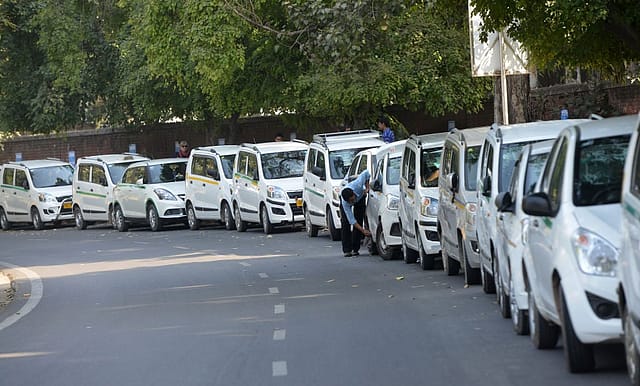
Gig workers attached to ride-hailing platforms such as Ola , Uber and Rapido are going to be offline across the country today, as part of a coordinated protest over fares, regulation and income security. The six-hour strike, being called an “All India Breakdown”, is expected to disrupt cab and auto services in several cities, though the scale of impact will vary by region.
The nationwide action has been called by the Telangana Gig and Platform Workers Union (TGPWU), which represents app-based transport workers operating on major aggregator platforms. In an open letter addressed to Union road transport and highways minister Nitin Gadkari and shared on social media, the union said drivers across India would log out of ride-hailing apps for six hours on February 7 to protest what it termed unfair pricing practices and weak enforcement of existing rules.
While some cities and states may see acute shortages of cabs and autos during peak hours, others are expected to experience only partial disruption, depending on local participation levels.
Why drivers are striking
At the heart of the protest is the demand for government-notified minimum fares for app-based transport services. According to the union, despite the Motor Vehicle Aggregator Guidelines, 2025 being in place, platforms continue to decide fares unilaterally.
“Despite Motor Vehicle Aggregator Guidelines, 2025, platforms continue to fix fares arbitrarily,” the union said in its post announcing the strike. “Our demands are clear: Notify minimum base fares. End misuse of private vehicles for commercial rides.”
The absence of officially notified base fares, the union argues, has led to falling earnings for drivers, unpredictable income and longer working hours to make ends meet. With platforms frequently changing pricing algorithms and incentive structures, drivers say they have little visibility on how much they will earn on a given day.
The union has also flagged what it describes as unchecked use of private vehicles for commercial ride-hailing, which it says creates unfair competition for licensed drivers who have invested in permits, commercial insurance and compliance costs.
Regulation gaps and rising pressure
In its open letter, the TGPWU accused governments of failing to enforce existing guidelines, allowing aggregators to operate with significant discretion over pricing and vehicle onboarding. “No minimum fares. No regulation. Endless exploitation,” the union said in a separate post on X.
“Govt must act NOW. Millions of app-based drivers are pushed into poverty while aggregators profit. Govt silence = platform impunity,” it added.
The strike reflects growing frustration among gig workers across sectors over pay, algorithmic control and lack of social security. For app-based transport workers in particular, fuel costs, vehicle maintenance and commissions charged by platforms have further squeezed margins, even as passenger fares fluctuate.
For commuters, today's protest could mean longer wait times and higher surge pricing in affected areas. For policymakers, it adds fresh urgency to long-running debates over how India should regulate aggregator platforms, balance consumer interests and ensure basic income protection for gig workers who now form a critical part of urban mobility.