
Hormuz transits edge higher amid escalating conflict; shipping traffic remains far below normal
ADVERTISEMENT
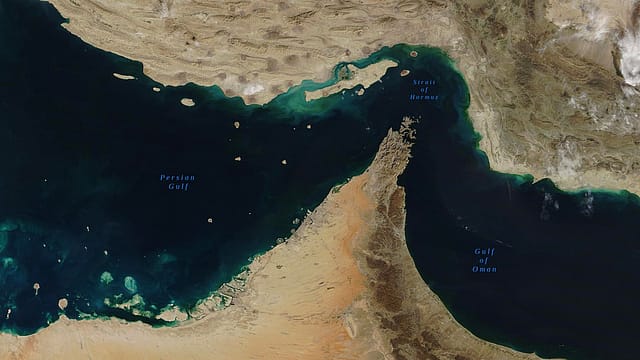
Shipping traffic through the Strait of Hormuz saw a modest recovery on July 13, with total vessel crossings rising to 17 from 11 a day earlier, even as the regional security situation worsened following a third consecutive night of US strikes on Iran and fresh Iranian attacks on commercial shipping.
According to S&P Global, the July 13 transits included five container ships, three bulk carriers, two product tankers, two cargo ships, one LPG tanker, and four support vessels. However, only two vessels—a bulk carrier and a container ship, both inbound into the Gulf—were assessed as compliant.
Traffic remained broadly balanced, with nine inbound and eight outbound movements. Nearly all vessels chose routes closer to Iranian territorial waters, with the compliant container ship GFS JADE being the only vessel to cross inbound without visible signals. The Persian Gulf Strait Authority reiterated on July 13 that passage through the strategic waterway remains unfeasible and that transit applications will be reviewed only after "stability and calm are restored."
Iranian strikes target oil tankers
The UAE Ministry of Defence condemned Iranian cruise missile strikes on the crude oil tankers MOMBASA B and AL BAHYAH, which were attacked while transiting the southern passage of the Strait of Hormuz in Omani territorial waters. According to Commodities at Sea, both tankers had recently loaded crude cargoes from the UAE.
The UK Maritime Trade Operations (UKMTO) also confirmed three separate maritime attacks on July 13. Two tankers were reportedly struck by missiles while sailing outbound around 13 nautical miles southeast of Limah, Oman, while a third vessel was hit by an unidentified projectile about 40 nautical miles northeast of Qalhat, Oman.
US expands military operations
The latest attacks come amid a sharp escalation in military activity. US Central Command (CENTCOM) said early on July 14 that it had completed a five-hour strike operation targeting military facilities in Bushehr, Chabahar, Jask, Konarak, Abu Musa and Bandar Abbas, marking the third straight night of US operations against Iran.
CENTCOM also announced that the US naval blockade would resume from 20:00 UTC on July 14, raising concerns over renewed disruptions to global shipping and energy flows through one of the world's busiest oil transit routes.
Blockade could pressure Iranian oil exports
Analysts said the renewed blockade could significantly restrict Iranian crude exports, as the previous US naval blockade between April 13 and June 18 sharply curtailed Tehran's maritime trade.
During the earlier blockade, US enforcement measures targeted vessels sanctioned by the Treasury Department's Office of Foreign Assets Control (OFAC), along with ships that had called at Iranian ports or transited Iranian waters. As a result, Iran was largely unable to export crude in May, leading to a sharp rise in floating oil storage.
However, following the announcement of the US-Iran peace memorandum of understanding (MoU) on June 17, Iranian exports rebounded strongly. S&P Global estimates that about 82.5 million barrels of Iranian crude exited the Middle East Gulf through July 13, averaging 3.17 million barrels per day.
Tanker fleet offers export buffer
Despite the prospect of renewed restrictions, Iran continues to maintain a substantial tanker fleet in the region. At least 22 ballast crude tankers, with a combined carrying capacity of 36.4 million barrels, are currently positioned in the Arabian Gulf and Gulf of Oman west of the previous blockade line, enough to sustain roughly a month of exports at pre-conflict shipment rates.
Additionally, 15 crude tankers with a combined capacity of 22.4 million barrels remain stationed in the Arabian Sea beyond the earlier blockade boundary. However, all of these vessels are under US sanctions and could face significant operational hurdles if the naval blockade is fully enforced.