
Housing sales growth seen at 4–6% in FY27 amid demand slowdown
ADVERTISEMENT
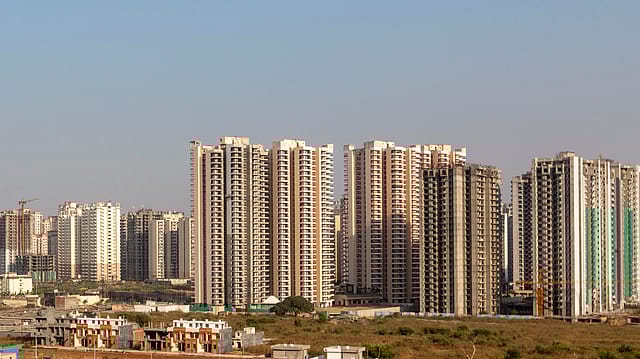
India’s residential real estate sector is entering a phase of calibrated growth after a strong post-pandemic rally, which saw sales value clock a compound annual growth rate (CAGR) of 26% between fiscals 2022 and 2025, according to a report by Crisil Ratings.
Growth has since moderated, with sales value estimated to have risen by 5–7% in fiscal 2026, as demand volumes remained largely stagnant due to elevated property prices and delays in project launches stemming from approval-related challenges in some cities.
Growth to ease further in FY27
The moderation is expected to continue into fiscal 2027, with sales value growth projected at 4–6%, amid flattening trends in both demand and average selling prices.
Price growth, which recorded a CAGR of 11% between fiscals 2022 and 2025 and is estimated at 7–9% in fiscal 2026, is likely to slow to 3–5% in fiscal 2027, creating a high base effect.
Crisil Ratings Director Gautam Shahi said, “The sustained increase in housing prices is expected to lead to a flattish demand growth of 0-2% in fiscal 2027. This is despite the expectation that approval-related challenges will ease out in fiscal 2027 for Pune and the Mumbai Metropolitan Region. Meanwhile, resolution of Bengaluru's approval-related issues bear watching. However, with supply continuing to exceed demand, inventory levels are expected to inch up to 3.2-3.4 years in fiscal 2027, up from less than 3 years in the two prior fiscals.”
Premium housing drives demand
Demand continues to be supported by the premium and luxury housing segments, which are expected to account for 38–40% of total launches in fiscal 2027, compared with around 12% in fiscal 2022.
This shift reflects rising preference among homebuyers for larger homes with better amenities. For developers, the segment offers higher realisations and margins, supporting overall sales and collections.
Strong cash flows, lower debt support credit profiles
Despite slower sales growth, the sector’s operating performance remains robust, backed by steady collections aligned with construction progress and timely project execution.
Healthy cash flow generation has reduced developers’ dependence on external debt for funding. Cash flow from operations is expected to grow 15–17% in fiscal 2027, supported by a 22–24% rise in collections, based on a study of 33 residential developers.
Crisil Ratings Associate Director Pranav Shandil said developers’ credit metrics are expected to remain strong, with the debt-to-CFO ratio projected at 1.1–1.3 times in fiscal 2027, improving from an estimated 1.2–1.4 times in fiscal 2026.
Going ahead, two key risks remain: weaker-than-expected demand amid aggressive project launches, which could lead to inventory build-up, and global geopolitical uncertainties that may stoke inflation and impact housing demand.