
Indian housing affordability in top cities likely to stabilise by 2026–28: CBRE
ADVERTISEMENT
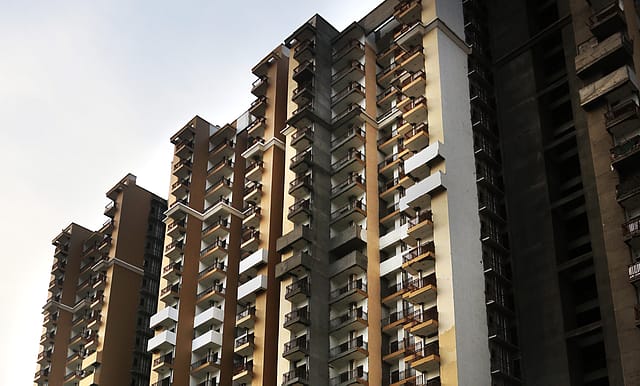
Housing affordability across India’s leading cities is expected to stabilise between 2026 and 2028, supported by rising household incomes and favourable policy measures, according to the CBRE Housing Affordability Index released by CBRE South Asia Private Ltd.
The findings, part of its India Residential Market Outlook 2026, indicate that household income growth is likely to outpace property price appreciation for the first time since 2021, easing the burden on homebuyers across segments. The assessment tracks the EMI-to-income ratio across six major cities—Mumbai, Delhi-NCR, Bengaluru, Hyderabad, Chennai, and Pune—spanning three income brackets from 2021 to 2028.
“India’s housing market is at a structural inflection point,” said Anshuman Magazine, Chairman & CEO (India, South-East Asia, Middle East & Africa), CBRE. He said that a combination of monetary easing, moderating price growth and rising disposable incomes is expected to cushion affordability across cities and income groups, even as sales dynamics may diverge in 2026.
A steady rise in EMI-to-income ratio
The report observed a steady rise in the EMI-to-income ratio between 2021 and 2024, driven by interest rate hikes by the Reserve Bank of India and faster capital value growth compared to income gains. However, a clear pivot is expected from 2026 onwards, with affordability stabilising across all income cohorts through 2028.
Gaurav Kumar, Managing Director and Co-Head, Capital Markets and Residential Services (India), CBRE, said the stabilisation in affordability will act as a key catalyst for sustaining sectoral momentum, backed by resilient demand and balanced supply.
The residential market recorded over 270,000 units each in new launches and sales in 2025. Notably, the high-end segment accounted for about 27% of total sales, surpassing the mid-end category for the first time. Premium and luxury housing sales rose more than 30% year-on-year, while supply expanded 38%, with around 52,000 luxury units launched.
Despite an 8% moderation in sales volumes, overall sales value increased by about 15%, reflecting a structural shift toward higher-value and better-quality housing inventory.
Affordable housing needs policy push
The report highlighted persistent stress in the sub-₹45 lakh affordable housing segment due to elevated input costs and the withdrawal of targeted incentives. It called for policy recalibration, including revising price and area ceilings and reinstating incentives for developers and buyers, to restore the segment’s pre-pandemic market share of 25–30%. Such measures could potentially add around 60,000 units annually.
Across income groups, affordability trends are expected to improve gradually. Households earning ₹40 lakh annually, typically targeting 2BHK units in peripheral micro-markets, may find homes in the ₹1.25–2 crore range increasingly accessible. For ₹75 lakh earners, affordability for 3BHK homes is shifting from “moderate” to “attainable,” while ₹1 crore income households are likely to see a measurable easing in EMI burdens for premium housing over the forecast period.