
India’s rising AI-driven data centre push needs integrated lifecycle partners: KPMG
ADVERTISEMENT
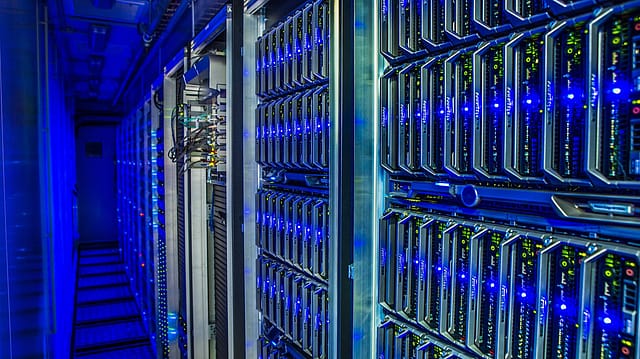
India’s data centre industry is entering a new phase of growth, driven by rising AI workloads, cloud adoption, digital public infrastructure, and increasing data localisation requirements, but is facing a massive hurdle of fragmented service providers. According to a recent KPMG report titled India’s data centre revolution: The integrated lifecycle blueprint (2026–2030), the industry is currently using fragmented service providers who work in silos across the data centre space, be it construction, technology, or cooling.
“An integrated lifecycle partner”
Instead, the report advocates an “integrated lifecycle blueprint”, where a single ecosystem or strategic partner manages the entire process from planning and approvals to operations and maintenance. “The future belongs to integrated lifecycle models that bring together strategy, design, construction, operations and sustainability under a unified framework,” the report noted.
The report points out four main gaps in the sector: integration, sovereign cloud infrastructure, AI readiness and capital efficiency. Fragmented operating models often create delays, unclear accountability, compliance issues, and inefficiencies across projects.
According to the report, companies that can streamline these processes through integrated execution capabilities are likely to gain a competitive advantage over fragmented operators.
The report argues that the sector is moving beyond conventional storage-led infrastructure towards “AI-ready” facilities that require significantly higher computing density, advanced cooling systems, uninterrupted power supply, and integrated execution models.
“India’s digital economy is accelerating the need for scalable, resilient and future-ready data centre infrastructure,” the report said.
KPMG said the rise of AI is increasing pressure on both power infrastructure and operational efficiency. “AI-driven workloads are redefining infrastructure requirements across the data centre value chain,” the report said. Unlike conventional enterprise data centres, AI-focused facilities require high-density GPU clusters, advanced thermal management, and liquid cooling technologies due to significantly higher heat generation.
The report also highlighted the growing importance of power management and sustainability. Data centres are among the most energy-intensive digital assets, making renewable energy sourcing, power purchase agreements, and energy optimisation increasingly important. The firm also pointed out to India’s policy support and foreign investment openness in the data centre sector as factors supporting long-term growth.
At the same time, regulatory complexity continues to remain a key challenge for developers. The report pointed to issues around land acquisition, environmental clearances, state-level regulations, financing, and grid connectivity as major execution bottlenecks.
The report also highlighted that the increasing focus on data localisation and sovereign cloud infrastructure is expected to drive demand for domestic data storage and processing capabilities.
KPMG also linked the sector’s growth to India’s broader push towards digital sovereignty and local data storage. As enterprises, cloud providers, and regulated sectors increasingly store data domestically, demand for local server capacity is expected to rise further.
What lies ahead
KPMG states that the window to dominate the Indian data centre market is wide open right now, but it will not stay that way forever. By 2030, the report said, the market is expected to become more consolidated, with integrated execution capabilities becoming increasingly important.
“The future belongs to integrated partners who can effortlessly combine complex physical engineering, specialized AI readiness, regulatory mastery, and financial structuring into one cohesive lifecycle partnership,” the report concluded.