
Strait of Hormuz traffic remains constrained after tanker attacks; crude flows fall sharply
ADVERTISEMENT
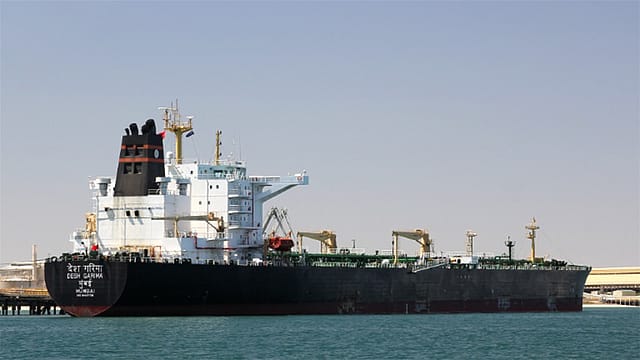
Maritime traffic through the Strait of Hormuz remained severely constrained on July 20 despite a slight increase in vessel movements, as fresh attacks on commercial tankers and escalating military tensions between the US and Iran continued to disrupt shipping activity, according to an S&P Global report.
A total of 16 vessels transited the strategic waterway on July 20, up from 13 a day earlier. However, nearly half of the detected traffic comprised support and miscellaneous vessels, underlining the subdued level of commercial shipping through one of the world's busiest energy corridors.
The report said traffic remained under pressure after two tankers managed by Greece-based Dynacom Tankers Management were attacked while transiting the Strait of Hormuz on July 20. The vessels were the Liberian-flagged VLCC ACHELOOS and the Malta-flagged LR1 tanker KAVOMALEAS. Adding to geopolitical tensions, the US Central Command said it carried out another round of strikes against Iran in the early hours of July 21, targeting military command centres, maritime assets, missile and drone launch sites, and air defence systems.
Commercial traffic remains limited
Of the 16 vessels detected on July 20, six were landing craft, three cargo ships, two bulk carriers, two product tankers, one LPG tanker, one container ship, and one tug.
Only five vessels were assessed as compliant with the prevailing maritime restrictions. These included LPG tanker GAS LUCKY, both bulk carriers, container ship PSL EAGLE, and cargo vessel NDL TEN.
Seven of the tracked vessels were outbound, including both bulk carriers, PSL EAGLE, and GAS LUCKY, while the remaining nine were inbound.
The Bahamas-flagged GAS LUCKY marked the first observed LPG tanker transit through the Strait of Hormuz since July 16. The Handy Gas Carrier typically transports ethylene or ethane and had entered the Gulf on July 5 with Iraq's Khor Al Zubair listed as its destination. However, the vessel was not visible between July 6 and July 17, making its loading activity difficult to verify.
Merchant vessel attacks mount
According to the report, at least seven attacks on merchant vessels have taken place in and around the Strait of Hormuz since July 11, with tankers accounting for the majority of the targets.
Heightened security risks have slowed shipping activity and prompted more vessels to disable tracking systems, resulting in a sharp decline in observable crude oil exports through the waterway.
Month-to-date crude oil exits through the Strait of Hormuz are averaging 7.66 million barrels per day (bpd), down from 8 million bpd in June. The figures include crude carried by shuttle tankers and volumes trans-shipped in the Gulf of Oman.
The decline has accelerated since July 12. Average daily crude oil exits have dropped to around 3 million bpd, compared with nearly 12 million bpd during July 1-11. Over the past four days, the average has fallen further to approximately 1 million bpd.
The report also noted that no Iranian crude cargoes have been observed breaching the US naval blockade since it was reimposed on July 14.
Red Sea tensions add fresh risks
Separately, S&P Global said 55 vessels crossed the US naval blockade on July 20. Two inbound vessels—a container ship and a bulk carrier—were classified as non-compliant, although the assessment was based solely on their port calls in Iran during March and April rather than any recent activity.
Regional tensions intensified further after Yemen's Houthi rebels warned they would impose a maritime embargo on Saudi Arabian ports in the Red Sea following missile and drone attacks on the kingdom last week.
If implemented, the move could disrupt navigation to key Saudi ports, including Yanbu, Jeddah, and Jizan. Saudi Arabia has said it will take all necessary measures to protect its vessels and maritime interests. The crossings included 16 tankers, 10 bulk carriers, five container ships and 10 other vessels.
Saudi Arabia's crude oil loadings from Yanbu averaged 4.6 million bpd so far this month, of which 3.87 million bpd was destined for international buyers, according to Commodities at Sea data.