
Tata Trusts to seek expert opinion on RBI draft NBFC norms, to share their views with central bank
ADVERTISEMENT
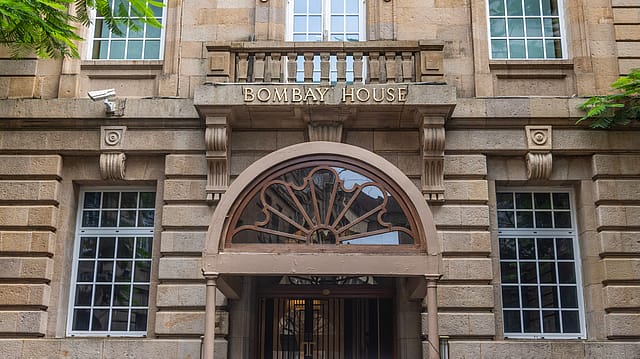
Tata Trusts, which holds around 66% stake in Tata Sons, the holding company of the $180-billion Tata Group, has decided to seek expert opinion on the draft Reserve Bank of India (RBI) regulations on non-banking financial companies (NBFCs). This follows RBI seeking public comments on the latest draft norms on such companies last week, wherein it has classified an upper layer NBFC (NBFC-UL) as those with asset size of over ₹1 lakh crore.
“The Trusts are examining the new draft norms, and are reaching out to experts—both financial professionals and legal luminaries—to understand their implications for the future status of Tata Sons,” sources in the Tata Group told Fortune India.
RBI had given time till May 4 for public comments on the draft norms.
Why are the draft NBFC norms critical for Tata Sons?
The new norms hold enormous significance for Tata Sons and its status as a privately-held NBFC. Tata Sons had in 2024 submitted a request to RBI to be exempted from the RBI NBFC-UL categorization after repaying over ₹20,000 crore in debt, thereby seeking to be outside the purview of the NBFC-UL regulatory ambit. It sought to surrender its status as a Core Investment Company (CIC). While RBI has not specifically responded to Tata Sons’ request, the new norms may queer the pitch for the holding company since it now seeks to classify NBFC-UL on the basis of asset size.
The book value of Tata Sons’ investments in FY25 stood at ₹1.75 lakh crore. Whether this constitutes assets as understood by RBI is at the core of the issue relating to the unlisted status of the holding company.
Tata Trusts are averse to a listing of Tata Sons since they feel a listing will go against their interests as the group company is the key source of funding for the Trusts’ several philanthropic activities.
Listing and the boardroom tensions
However, several sections feel a listing is important since it adds transparency and accountability to the holding company of one of India’s largest business houses, one which controls several megacorps from Tata Steel to Tata Motors and several others spanning sectors as diverse as consumer goods and aviation to semiconductors.
Importantly, Noel Tata, the chairman of Tata Trusts had, at the last board meeting of Tata Sons on February 24, sought to make Tata Sons’ unlisted status a condition to granting a third term to Tata Sons chairman Natarajan Chandrasekaran. Noel Tata wanted Chandrasekaran to give a firm commitment that he would ensure the holding company remains unlisted, something which the Tata Sons chairman could find difficult given the matter rests with the regulator.
It is possible that the Trusts and Tata Sons, in their independent capacities, will communicate their views on the draft regulations to the banking regulator. “Both options are open. Tata Trusts may directly communicate with RBI, or may do so through the holding company,” the sources said.