
Telcos may hike tariffs 15% in December, followed by 12% increases every two years: Ambit Capital
ADVERTISEMENT
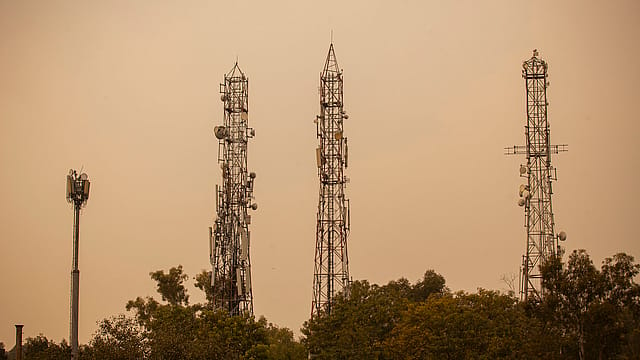
Telecom operators could raise mobile tariffs by 15% in December 2026, followed by increases of 12% every two years over the next decade, according to Ambit Capital. The brokerage has maintained its forecast, citing weak industry returns, Vodafone Idea's financial requirements and the need for higher returns on investments by Reliance Jio.
In its report dated October 21, Ambit said, “We don’t see any risk to our thesis of a 15% tariff hike in Dec’26 followed by a biennial 12% price hike in the next decade.”
The forecast comes as operators look to improve average revenue per user (ARPU) while continuing to invest in network infrastructure. Ambit expects Indian telecom companies to report ARPU growth of 9–12% annually between FY26 and FY28.
Vodafone Idea's financial position key to tariff outlook
Ambit said Vodafone Idea's financial position remains an important factor supporting its expectation of regular tariff increases. The brokerage estimates that the company needs to raise its ARPU to more than ₹300 by FY30, from ₹177 currently, to meet its financial requirements.
“VI’s survival requires consistent tariff hikes,” Ambit said, while adding that the scale of increases need not be as high as in previous years.
The brokerage expects Vodafone Idea to generate cash EBITDA of ₹17,100 crore in FY28 after factoring in the proposed 15% tariff increase in December. It noted that the company's statutory dues for the year are estimated at ₹21,600 crore.
The brokerage also pointed to the industry's weak returns. Telecom companies recorded a pre-tax return on capital employed of around 10% in FY26, below their cost of capital, according to the report. Bharti Airtel India and Reliance Jio had pre-tax RoCE of 11% and 8%, respectively, in FY26.
Ambit said these figures indicate that “the industry does not have excess economic returns yet”.
Airtel and Jio have already indicated pricing changes
The report cited recent changes to mobile plans as evidence that operators are preparing for tariff repair. Bharti Airtel removed its entry-level 1.5GB-per-day plan in August 2026 and increased prices for postpaid plans. Ambit expects the removal of the entry-level plan to lift Airtel's ARPU by 4.4%.
The brokerage also mentioned Jio's Prime membership, which locks plan prices until September 5, 2027, as a sign of the company's potential pricing interventions in the coming months. It noted that assumptions in Jio Platforms' draft red herring prospectus point to data ARPU growing at a compound annual growth rate of 10.3% between FY26 and FY31.
Ambit expects Bharti Airtel and Jio to clock revenue compound annual growth rates of 16% and 15%, respectively, between FY26 and FY29.
Regulatory stance and industry structure
Ambit said the current regulatory framework allows mobile tariffs to be largely determined by market forces. While the Telecom Regulatory Authority of India (TRAI) has powers over tariffs, interconnection and quality of service, it has exercised its tariff-related powers selectively for mobile services.
The brokerage described TRAI's approach as one of “forbearance”, which has allowed operators to determine mobile-service pricing based on market conditions.
It also expects the government's preference for a telecom industry with three private players to support the existing operators. The report, however, identifies the entry of a new telecom player and delays in tariff increases as risks to its positive sector outlook.
Ambit named Bharti Airtel as its top pick in the telecom sector and maintained Buy ratings on Airtel, Indus Towers, Vodafone Idea and Bharti Hexacom. The December tariff increase remains a brokerage forecast rather than a confirmed announcement by telecom operators.
(DISCLAIMER: The views and opinions expressed by investment experts on fortuneindia.com are either their own or of their organisations, but not necessarily that of fortuneindia.com and its editorial team. Readers are advised to consult certified experts before taking investment decisions.)