
Trying to become the biggest before becoming the best rarely ends well, says Noel Tata
ADVERTISEMENT
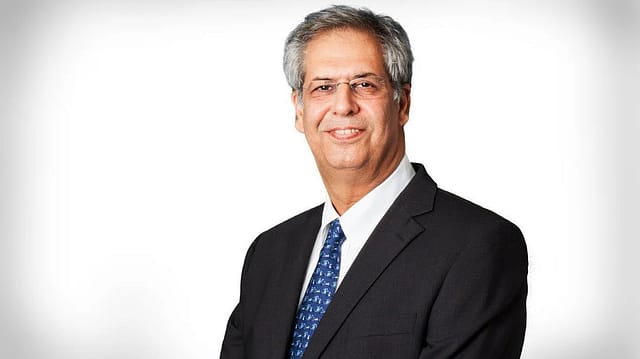
Tata Trusts must focus on becoming more effective rather than simply expanding its scale, chairman Noel Tata has said, warning that “trying to become the biggest before becoming the best rarely ends well”. In his message in the annual report, Tata outlined the philanthropic organisation’s priorities, including building institutions of national importance, strengthening healthcare access, and creating more opportunities for young Indians to pursue education and research in the country.
“Our responsibility is to remain focused on what matters, and to do what India needs, in a way that creates lasting value,” he added.
“The ambition, therefore, is not simply to do more. It is to do better,” Tata wrote, calling for greater clarity on where the organisation can make the greatest difference, more discipline in deploying resources and a long-term view of the country’s needs.
The message emphasises measurable outcomes and institution building at Tata Trusts, which has historically supported a wide range of social causes while helping establish institutions such as the Indian Institute of Science, the Tata Institute of Fundamental Research and Tata Memorial Hospital.
“Our founders did not set out to build the largest group of companies. They believed that enterprise carried with it a responsibility to society, and that the true measure of progress was an improvement in the quality of people's lives,” Tata wrote.
Tata said established philanthropic institutions must respond by raising their standards of effectiveness and accountability.
“It is no longer enough to ask how much we have contributed. We must ask what difference that contribution has made, and whether that difference will endure,” he wrote.
From funding causes to building institutions
Education is among the key areas where Tata Trusts wants to make a lasting difference. Tata pointed to the number of talented Indian students who leave the country to pursue opportunities that may not be available at home, arguing that India needs more institutions capable of nurturing talent and supporting research domestically.
While Tata Trusts has incubated several institutions of national importance, it will also look to collaborate with other philanthropic organisations and like-minded partners to address gaps in education and other sectors.
“Systemic change happens when all players in the ecosystem play their part in a coordinated and efficient manner,” Tata wrote. He said the organisation's role often involves bringing together people, ideas and resources to help others deliver results, whether through state governments expanding successful health programmes or creating pathways for young athletes to access national-level training.
Healthcare remains another priority. Tata said Tata Trusts continues to support families facing medical crises while strengthening distributed models of cancer care to bring treatment closer to patients' homes.
The organisation is also working towards establishing a network of 40 to 50 not-for-profit general hospitals across India. Under the proposed model, patients who can afford treatment would help make quality healthcare accessible to those who cannot.
Measuring what changes, not just what is spent
Tata also called for a shift in how philanthropic impact is assessed. Rather than relying on the number of people reached or the amount spent, the organisation must demonstrate what has changed because of its interventions and whether those changes can be sustained.
“We need to move beyond measuring philanthropy by the number of people reached or the amount spent,” he wrote, stressing that accountability must extend beyond donors and partners to the communities being served.
Tata said every rupee entrusted to the organisation carries a responsibility, adding that its deployment must reflect care and purpose. He also acknowledged the role of doctors, teachers, coaches, researchers, field workers and partner organisations in delivering results.
The message places long-term social value ahead of scale, with institution building, partnerships and measurable outcomes central to how Tata Trusts intends to approach its work.