
‘A great settlement of the war with Iran’: Trump says peace deal is possible within days; Strait of Hormuz to reopen after signing
ADVERTISEMENT
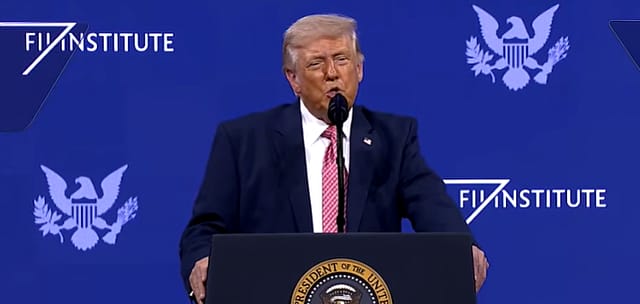
US President Donald Trump on Thursday said a formal agreement to end the conflict with Iran could be signed within days, adding that the strategically important Strait of Hormuz would reopen soon after a final settlement is reached.
Speaking to reporters in the Oval Office, Trump expressed confidence that the negotiations were nearing completion.
"We just made a great settlement of the war with Iran", Trump told reporters in the Oval Office.
"The strait will officially open as soon as we sign, which could be soon, very soon, maybe over the weekend in Europe," he said.
The US President said he had held discussions with Israeli Prime Minister Benjamin Netanyahu and several Gulf leaders, including those from Qatar, the United Arab Emirates, Saudi Arabia, Bahrain and Kuwait. He added that he was also expected to speak with Turkish President Tayyip Erdogan.
According to Trump, the proposed agreement addresses concerns over Iran's nuclear ambitions and would ensure that Tehran does not acquire nuclear weapons.
"Most importantly we have a deal that Iran will never have a nuclear weapon, which was the whole purpose of what we had to go through to get this. So it was a very big thing," he said.
Earlier in the day, Trump halted plans for additional military action against Iran, saying that negotiators had agreed on the "final points" of an initial peace framework and that details of a signing ceremony would be announced soon.
Iran's semi-official Fars news agency reported that Tehran was likely to endorse the agreement, although the Iranian government has not yet issued an official response.
The decision to suspend further strikes came just hours after Trump had indicated that the US military could launch attacks on Iran for a third consecutive night.
Since mid-March, Trump has repeatedly maintained that an agreement to end hostilities with Iran was close. Despite those claims, both sides have continued to exchange strikes in recent weeks, putting pressure on a ceasefire arrangement that was announced in April.
The Strait of Hormuz remains one of the world's most critical energy chokepoints, handling nearly a fifth of global oil consumption and a significant share of liquefied natural gas shipments. The disruption to traffic through the narrow waterway has triggered a sharp swing in global energy prices and disrupted supplies to major importing nations across Asia and Europe.