
An inflation vs growth tightrope walk for the RBI in the middle of the West Asia war
ADVERTISEMENT
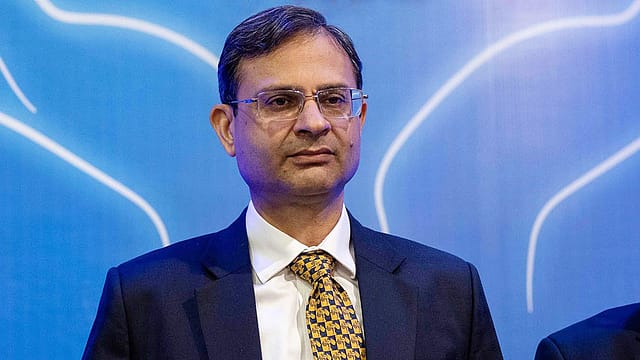
The Reserve Bank of India (RBI) is walking a tightrope between inflation and growth, where the ongoing West Asia war indicates that there a higher chance towards rising inflationary pressures – led by crude oil imports – rather than slowing macro-economic growth concerns.
The RBI’s repo rate stands at 5.25% as of December 2025.
The RBI Governor Sanjay Malhotra, possibly, has a new dilemma. While the monetary policy committee (MPC) was going on, India’s finance minister Nirmala Sitharaman on Monday (April 6) said there was room for the RBI to cut rates, while speaking at National Institute of Public Finance and Policy. She did not indicate any timeline for any such rate cuts.
So will Malhotra oblige and lower rates? Much of the FM’s statement on interest rates and the rupee level must be viewed in the backdrop of 2-3 key state elections coming up, where the commentary borders on showmanship, signalling that inflation and growth are not of a deep concern.
Economists, who Fortune India spoke to, have a consensus that the RBI’s monetary policy committee is likely to keep interest rates on hold at the April 8 policy meeting. With the war not showing signs of a ceasefire and inflation on the rise, it is difficult to gauge the extent of the damage the war could inflict on both inflation and growth, going forward.
The RBI will need to revise their own growth forecast of 7.3% for FY26.
At a broader level, the re-building of oil infrastructure sites damaged across the Middle-East, the possibility of a global macro-economic slowdown amid still high crude oil prices is very real.
For India, the impact of a weakening currency, the supply shocks of crude oil to key industries -- large corporates and small businesses , reverse migration fearing a clamping up of work in urban centres and a loss of jobs, resulting in weak consumer spending could all play out, even if there is an immediate ceasefire.
“In the current environment, there is a risk to growth and there is a risk to inflation at the other end of the rope. Beyond the April policy, going ahead, if the risk is more to the inflation side, I would expect the RBI to hike rates and tighten,” says Indranil Pan, chief economist at private lender YES Bank.
Pranjul Bhandari, chief India Economist/Strategist at HSBC, says that a lesson which needs to be learnt from the pandemic is to not simulate demand before supplies mend. The blend of neutral fiscal and monetary policy may work best.
Bhandari adds here: “This is where neutral policy comes in — one that neither adds to nor subtracts from growth. On the fiscal side, this means keeping the deficit close to FY26 levels; raising petrol and diesel prices would help contain the fiscal deficit.” “On the monetary side, the "flexible" inflation targeting framework allows inflation to stay within the 2-6% range (rather than at the 4%-point target) in a supply-shock year with risks from both energy and El Niño,” she adds.