
Budget 2026–27: Public capex key to growth momentum, decisive infra push needed, says PHDCCI
ADVERTISEMENT
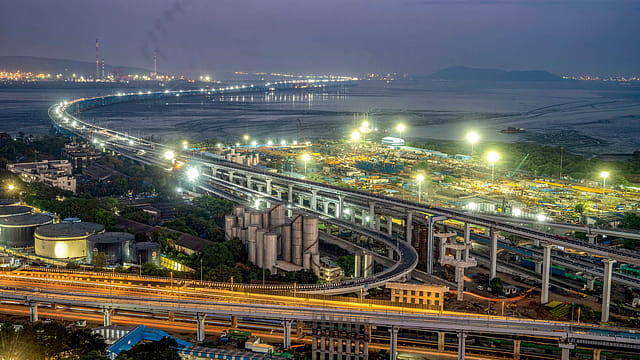
PHD Chamber of Commerce and Industry (PHDCCI) has said the government needs to provide thrust to public capital expenditure in the upcoming Budget to sustain India’s growth momentum.
“Investments in roads, railways, ports, urban transport, water systems, and power distribution directly kindle demand while lowering long-term logistics costs for industry. Allocations aligned with national initiatives such as Gati Shakti and urban resilience programmes can further enhance efficiency, and private sector participation would go a long way in taking India to a 10% growth path,” said PHDCCI in its pre-Budget recommendations.
According to PHDCCI, a decisive infrastructure push in the Budget 2026–27 would strengthen productivity, improve competitiveness, and support durable medium-term growth.
“Evidence from past capex cycles suggests upfront infrastructure spending not only creates large-scale construction employment but also brings in private investment by reducing risk and transaction costs,” the industry body said.
Manufacturing growth in MSMEs
Furthermore, for the country’s overall economic growth, the PHDCCI said that MSMEs must see manufacturing-led growth, which requires policy stability and predictable incentives.
“A renewed focus on scaling manufacturing and MSMEs through capital support, tax rationalisation, and production-linked incentives is necessary,” the trade body said.
Rationalisation of customs duties
According to the PHDCCI, high input costs, long maturation periods, and global competition and uncertainty continue to restrict domestic manufacturing capacity, and to overcome this, the body suggested the rationalisation of customs duties on critical raw materials.
“Rationalisation of customs duties on critical raw materials and extending concessional tax for new manufacturing units can significantly improve investment viability. Strengthening credit guarantees and industrial infrastructure would also support MSMEs’ transition into formal global value chains,” it said.
The PHDCCI further said that as manufacturing remains central to job creation, export growth, and supply chain resilience, the upcoming Budget 2026–27 presents an opportunity to strengthen India’s manufacturing determination by shifting from disjointed incentives toward a framework that lowers risk, attracts private capital, and enables firms to scale efficiently.