
Economic Survey 2026 proposes multi-pronged strategy to sustain FDI inflows
ADVERTISEMENT
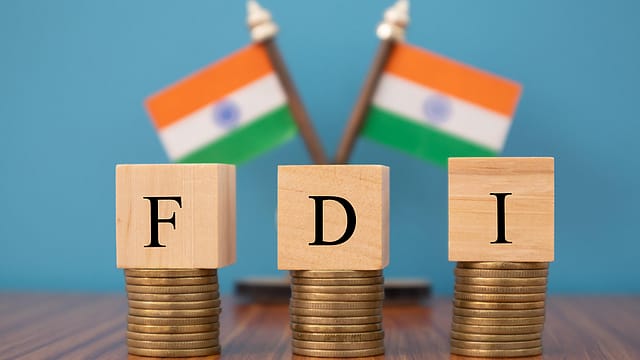
The Economic Survey 2025-26 Thursday suggested a multi-pronged strategy to strengthen India’s investment climate and sustain the country’s foreign direct investment (FDI) inflows.
In an environment of heightened global volatility, the strategy should address both structural and cyclical factors that determine capital flows, the survey said. “India’s task to attract FDI is even more complex, as it is not just competing with the world's current largest exporter for shifting global value chains (GVCs) to India, but also with emerging FDI destinations”, it said.
The Survey called for developing a targeted strategy that identifies a specific set of GVC anchors and establishes a state apparatus that collaborates directly with them as partners. “The direct engagement will help resolve cross-agency issues and provide customised and time-bound solutions. Additionally, it is crucial for India not only to offer compelling incentives but also to ensure these incentives are reliably implemented”, the survey said.
According to the survey, India should establish a single, empowered centre of accountability to position itself as a credible alternative production hub capable of handling large volumes, integrating with global suppliers, meeting regulatory and compliance standards, and, importantly, providing predictability over a multi-year timeframe. It proposed the creation of a task force to engage top global companies and promote India’s advantage. Efforts to continue improving the investment environment by simplifying processes and procedures to attract FDI, enhancements on the regulatory environment front, as well as improvements in logistics and workforce development have been proposed.
On bilateral initiatives, the survey said the signing of the Bilateral Investment Treaty between India and Israel, along with the binding commitment of $100 billion in investment under the India European Free Trade Association (EFTA) Trade and Economic Partnership Agreement (TEPA), bodes well for FDI inflows, provided these agreements are effectively implemented. This, along with the India-U.K. Comprehensive Economic and Trade Agreement, has the potential to increase FDI inflows, it said. “While it is essential to recognise the role of trade and investment agreements as enablers, there is a pressing need for action across departments and agencies to streamline India’s trade policy and secure a greater role in GVCs”.
India's fundamentals, such as strong growth, expanding markets, and a demographic dividend, remain compelling magnets for investment, yet FDI strategies must become bolder and offer the best to global investors, the survey said. “The window for action is still open, but it will not remain so indefinitely. There is a need to move decisively to transform the FDI challenge into the next chapter of our economic growth story”.