
Home-cooked thali costs rise in July; veg up 4%, non-veg 9%: Crisil
ADVERTISEMENT
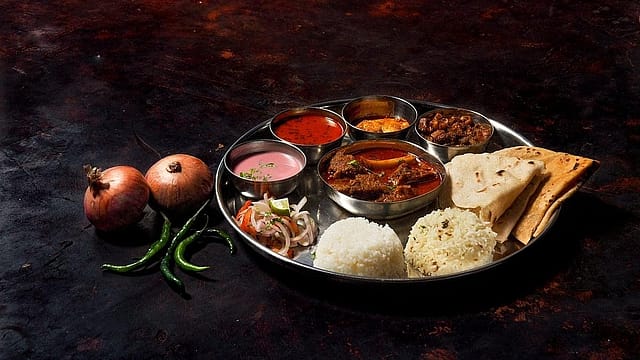
The cost of a home-cooked vegetarian thali rose 4% year-on-year in July while the cost of a non-vegetarian thali increased 9%, as higher onion, edible oil, and LPG prices kept food expenses elevated, according to a report by Crisil.
Crisil’s monthly thali cost indicator tracks the average cost of preparing a meal at home based on prevailing input prices across northern, southern, eastern, and western India. The indicator covers cereals, pulses, broilers, vegetables, spices, edible oil and cooking gas, and reflects the impact of food prices on household expenditure.
The rise in thali costs came despite lower prices of potatoes and tomatoes. Onion prices increased 20% year-on-year in July, driven by the arrival of higher-priced stored rabi stocks in the market.
Unseasonal rainfall and hailstorms in Maharashtra during March-April reportedly damaged the late-season onion crop and stored inventories, further tightening supplies. Maharashtra accounts for around 40% of India’s onion production.
Edible oil and LPG cylinder prices rose 11% and 10%, respectively, during the month, primarily due to supply disruptions and elevated energy costs linked to the ongoing West Asia conflict. The increase in thali costs was partly offset by a 12% year-on-year decline in potato prices and a 2% fall in tomato prices.
Potato prices softened following an estimated 2-3% increase in rabi production, supported by higher acreage. Tomato prices remained lower year-on-year as prolonged high temperatures during February-March delayed the arrival of the summer crop. The heat delayed planting by nearly a month and shifted the supply cycle, resulting in higher market arrivals in July.
The increase in the cost of the non-vegetarian thali was sharper, primarily due to a 14% year-on-year rise in broiler prices. Broilers account for nearly half of the cost of a non-vegetarian thali.
Higher feed costs and a low-base effect following the shift in the Shravan month contributed to the rise in broiler prices. Shravan fell in July in 2025 but is being observed in August this year.
On a month-on-month basis, the cost of a vegetarian thali increased 2% in July, while the cost of a non-vegetarian thali remained stable. The rise in onion and potato prices, which increased 23% and 4%, respectively, on a monthly basis, pushed up the cost of the vegetarian thali. However, a 1% decline in tomato prices and relatively stable prices of other commodities limited the increase.
The cost of the non-vegetarian thali remained unchanged month-on-month as broiler prices declined an estimated 2% amid moderation in demand. “Going forward, onion prices are expected to remain firm due to tight rabi supplies and an expected delay in kharif onion arrivals,” Pushan Sharma, Director at Crisil Intelligence, said.
“Potato prices may inch up as high-priced cold-storage stock is released into the market, while tomato prices will likely remain stable in the near term, supported by fresh arrivals from the south, before strengthening from September on account of delayed kharif arrivals and seasonal festive demand,” he added.
Sharma said edible oil prices are also expected to remain firm, with higher crude oil prices putting pressure on freight and landed import costs. Elevated polymer and resin prices are also expected to push up packaging costs.
“The cost of home-cooked vegetarian and non-vegetarian thalis increased 4% and 9% on-year, respectively, in July despite lower potato and tomato prices. Higher onion, edible oil and LPG prices kept the costs elevated for both thali categories,” Sharma said. He added that the increase was sharper for the non-vegetarian thali due to the 14% rise in broiler prices, with higher feed costs and the low-base effect supporting prices.