
India eases FDI rules to allow inventory-based e-commerce exclusively for export of locally made goods
ADVERTISEMENT
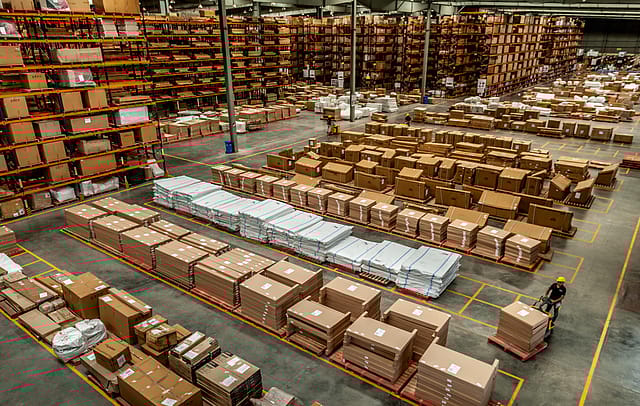
The Department of Economic Affairs under the finance ministry has notified changes in Foreign Direct Investment (FDI) norms to allow e-commerce firms to maintain inventory only for export purposes.
These firms will have to export the goods manufactured or produced in India. Also, FDI in inventory-based e-commerce retailing has not been permitted.
The department in a September 2 notification has added a provision in this regard in the Foreign Exchange Management (Non-debt Instruments) Rules, 2019.
"An e-commerce entity is permitted to engage in inventory-based model of e-commerce exclusively for the export of goods or products manufactured or produced in India in accordance with the provisions of the Foreign Trade Policy 2023 read with the Handbook of Procedures (HBP) and the Foreign Exchange Management (Export of Goods & Services) Regulations, 2015," the provision says.
With this, the decision announced in July has now come into the force.
FDI rules for e-commerce exports
"The restrictions on Business to Consumer (B2C) and the inventory-based model of e-commerce stipulated under the provisions…shall not apply to the export of goods or products through e-commerce…," it said.
Commenting on the decision, Amit Agarwal, Senior Partner, Nangia & Co LLP, said now an FDI-invested e-commerce entity can hold and sell its own inventory of Indian-origin goods, so long as the end-use is export and not domestic consumption.
"This amendment achieves a dual policy objective. On one hand, it opens the inventory-based model exclusively for exports, giving the Indian manufacturers a genuine push to scale globally through FDI-backed platforms. On the other hand, it keeps the inventory-model barrier firmly intact for domestic B2C sales, ensuring the protection built into India's e-commerce FDI policy for kirana stores and small retailers stays undiluted," Agarwal said.
Compliance requirements remain
He added that an e-commerce entity relying on this exemption must be able to demonstrate, transaction by transaction, that goods are the Indian-origin, exported under FTP (foreign trade policy), and that export proceeds are realised and reported as per FEMA's Export Regulations.
"Any leakages and slippages could attract the same FEMA implications as is applicable to current restrictions on the inventory-based models," Agarwal said.