
India logs driest June in over a decade as monsoon rainfall falls nearly 40% short
ADVERTISEMENT
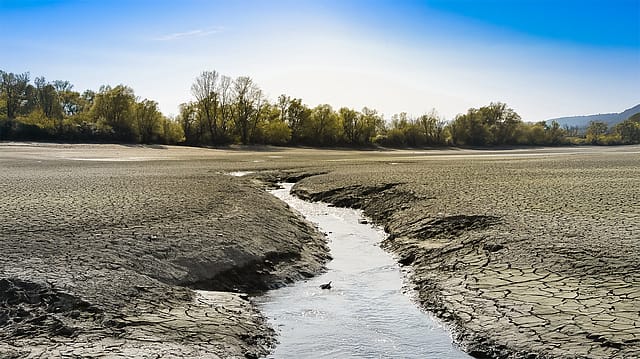
India witnessed its driest June in more than a decade, with southwest monsoon rainfall ending the month nearly 40% below the long-period average, raising concerns over the progress of kharif crop sowing and agricultural output.
According to data from the India Meteorological Department (IMD), cited by Reuters, the country received 99.5 mm of rainfall in June, significantly lower than the normal 165.3 mm, leaving the month 39.8% below the long-period average. It was the driest June since 2014 and the fifth driest June since rainfall records began in 1901.
The weak start to the monsoon followed a delayed onset over Kerala, where the southwest monsoon arrived three days later than its normal schedule. Its advance across western and central agricultural regions then stalled for nearly two weeks, limiting rainfall across several key farming states during the crucial early sowing period.
The rainfall shortfall has slowed the planting of major kharif crops, including rice, maize, cotton and soybean, at a time when farmers typically accelerate sowing activities. The prolonged dry spell has also extended heatwave-like conditions across parts of northern India, with maximum temperatures exceeding 42 degrees Celsius in several areas.
The southwest monsoon accounts for nearly 70% of India's annual rainfall and plays a critical role in the country's agricultural economy. It replenishes reservoirs, supports groundwater recharge and provides the primary source of water for millions of farmers.
The rainfall pattern is particularly significant because nearly half of India's farmland remains dependent on rainfall rather than irrigation. Agriculture also supports the livelihood of around half of the country's population, making the timely arrival and distribution of monsoon rains essential for rural incomes, food production and overall economic activity.
A prolonged rainfall deficit could affect crop yields, food supplies and inflation if sowing continues to lag. However, weather officials remain optimistic that monsoon activity will strengthen in the coming weeks, which could help narrow the rainfall deficit and improve planting conditions for the remainder of the kharif season.
The consequences go beyond agriculture and food prices. Weak monsoon rainfall can deplete reservoir levels, limiting hydropower generation and prompting utilities to increase dependence on more expensive thermal power or other alternative sources. This could raise electricity generation costs and add to the economy's overall cost burden.