
India’s real estate sector may need ₹50 lakh crore capital by 2036; affordable housing funding gap widens: Anarock Capital
ADVERTISEMENT
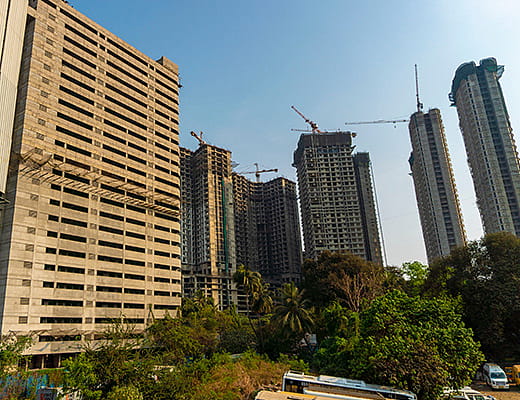
India’s real estate sector could absorb nearly ₹50 lakh crore in capital over the next decade as the industry marches towards becoming a $1 trillion market by 2030, according to a new report by Anarock Capital But beneath the surge in institutional funding lies a widening fault line — affordable housing continues to remain severely underfunded.
The report, Powering the Next Decade: India’s Real Estate Finance Transformation Story, highlights how India’s property financing ecosystem has evolved from a fragmented NBFC-led structure into a more institutionalised market driven by banks, AIFs, REITs, private credit and government-backed financing platforms.
“India’s real estate sector no longer faces a shortage of capital. The real challenge is whether this capital can reach beyond the top developers and major metros to fund affordable housing, smaller developers, and emerging Tier-II and Tier-III cities,” said Shobhit Agarwal, CEO, Anarock Capital.
Affordable housing slips out of funding focus
The report flags affordable housing as the biggest structural funding gap in Indian real estate. India is estimated to require 25 million additional affordable homes by 2030, even as supply in the segment continues to shrink sharply.
Homes priced below ₹40 lakh accounted for just 10% of total launches in Q1 2026, down from 26% in 2021. In contrast, premium homes priced above ₹1.5 crore made up 53% of new launches during the quarter.
“Affordable housing remains underfunded and requires dedicated capital structures,” said Vishal Srivastava, managing director and head-corporate finance at Anarock Capital. “India’s affordable housing problem is no longer a demand issue, but a structural capital allocation and financing architecture challenge.”
The report estimates that more than 4.5 lakh stalled affordable and mid-income homes across over 1,500 projects require nearly ₹55,000 crore in funding support.
Banks, REITs and private capital reshape financing landscape
Housing finance outstanding has already crossed ₹38 lakh crore and is projected to nearly double to ₹77 lakh crore by FY30 at a 15% CAGR. Commercial real estate lending by banks currently stands at over ₹5.2 lakh crore, with nearly 80% concentrated in Mumbai Metropolitan Region, NCR and Bengaluru.
India’s REIT market is also gaining scale, with six listed REITs now commanding a combined market capitalisation of over ₹2 lakh crore. Yet, REIT penetration remains low compared to mature markets, with only 198 million sq.ft. of India’s 520 million sq. ft. REIT-worthy office stock currently listed.
The report also identifies data centres, warehousing, industrial assets and GCC-led office developments as the next big magnets for institutional capital. India’s data centre capacity alone is expected to cross 8 GW by 2030, while GCCs could drive demand for 1.2 billion sq. ft. of office space over the same period.