
Iran shuts Strait of Hormuz again, accuses U.S. and Israel of ceasefire breaches
ADVERTISEMENT
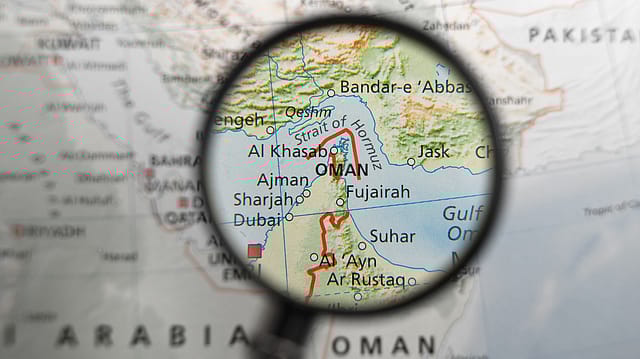
Iran on Saturday announced the closure of the Strait of Hormuz, blaming what it called "America's blatant breach of promise" under the recently announced U.S.-Iran memorandum of understanding aimed at ending the conflict. Tehran also cited Israel's alleged violations of a ceasefire in Lebanon.
According to a statement carried by Iranian state television, the country's joint military command said the move was prompted by what it described as Washington's "breach of trust" and its failure to implement key provisions of the agreement. Tehran further alleged that Israel had violated the ceasefire arrangement in Lebanon.
The Strait of Hormuz, one of the world's most strategically important energy routes, handles nearly 20% of global oil and liquefied natural gas shipments. Commercial traffic through the waterway had resumed only earlier this week following the U.S.-Iran agreement, after months of disruptions.
Iranian military authorities described the closure as an initial measure and warned that additional actions could follow if hostilities persist.
Separately, the Islamic Revolutionary Guard Corps (IRGC) cautioned commercial vessels against entering the Strait, saying their safety could be at risk, according to Iranian media reports.
The development comes amid renewed violence in southern Lebanon despite reports of a ceasefire. Israeli strikes on Saturday reportedly killed at least 16 people, including two children, while Hezbollah accused Israel of repeatedly breaching the truce.
Israel, however, said Hezbollah had fired more than 50 projectiles overnight, prompting retaliatory strikes on what it described as militant targets.
Meanwhile, U.S. Vice President JD Vance said he expects to travel to Switzerland soon for talks with Iran, even as tensions escalated following Tehran's decision to shut the Strait of Hormuz over alleged violations of the truce agreement by the U.S. and Israel.
Earlier this week, Iran and the U.S. announced that they had reached an agreement to halt further military attacks in the region and immediately reopen the Strait of Hormuz to allow the free flow of global oil through the vital waterway. In return, the U.S. agreed to lift the naval blockade at the other end of the strait and ease sanctions on Iran, allowing it to sell oil. The U.S. would also release billions of dollars in Iranian funds that had been frozen.
"The Deal with the Islamic Republic of Iran is now complete. Congratulations to all! I hereby fully authorize the toll-free opening of the Strait of Hormuz, and, simultaneously herewith, authorize the immediate removal of the United States Naval blockade. Ships of the World, start your engines. Let the oil flow!" US President Donald Trump posted on Truth Social while announcing the deal.
However, despite the broader understanding reached between the two sides, a formal agreement has not yet been signed. A signing ceremony was expected to be held in Switzerland on Friday, where the parties were expected to finalise the technical details of the arrangement over the next 60 days.
(With agency inputs)